
This summer’s World Cup has certainly not been short of drama and controversy, with the first ever 48-team tournament delivering plenty of entertainment so far. The heat has not led to many dreary matches despite pre-tournament fears and even the hydration break stoppages have not dampened the excitement, with many high scoring matches and passionate ties in the tournament’s group stage. Here we take a look at how some of the teams have got on so far.
Mexico
Javier Aguirre was brought in as Mexico boss prior to the 2026 World Cup in the hope that he may be able repeat his previous success, with a lot of pressure on him as head coach of a host nation. It’s safe to say he has succeeded in his task as Mexico finished top of Group A with wins and clean sheets in all three of their group stage matches. The tournament’s opening bout saw Mexico host South Africa at the Estadio Azteca, and Aguirre’s side got off to a fast start, taking the lead in the first ten minutes as winger Julian Quinones found the bottom corner from just inside the box. El Tri Added to their lead on the hour mark, with dependable striker Raul Jimenez heading in his first ever World Cup goal at the age of 35, a memorable moment for the talismanic forward. Mexico held on to their 2-0 lead to secure a win in the tournaments opening game, ending the match with ten men against South Africa’s nine after a flurry of late red cards. Their next match, a tie against South Korea in Guadalajara, was one of few chances, with one goal deciding the tie. A mistake from South Korea goalkeeper Kim Seung-Gyu allowed Luis Romo to finish into an open net and the hosts held on to this lead, the match ending 1-0.
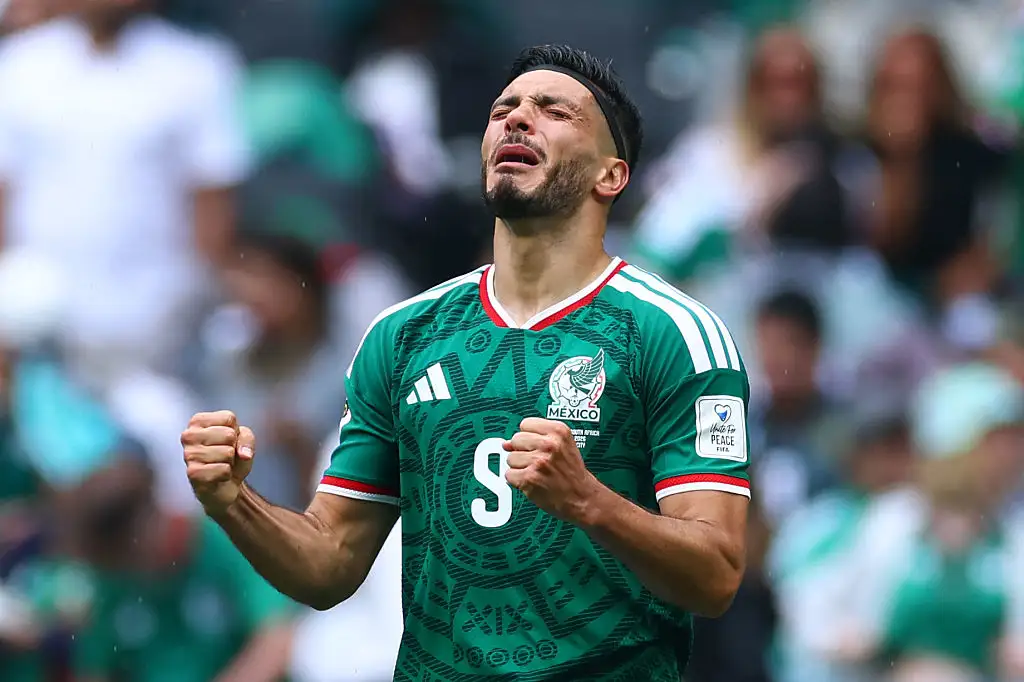
Having already qualified after two matches, Aguirre’s side returned to the Azteca for their final group stage match as they faced a Czechia team that needed to win to advance. Mexico sat deep and looked to cause problems on the break, limiting their opposition to shots from range. El Tri took the lead through Mateo Chavez shortly after half time, the left back finishing a fast counter attack. Soon after, Mexico were two up, Quinones prodding in from close range after some poor defending from Czechia. Legendary goalkeeper Guillermo Ochoa was brought on for his last ever appearance for the national team to help grind out a victory and the 40-year-old even played a part in the third goal, with his long ball forward resulting in another substitute Alvaro Fidalgo finding the net in stoppage time. With this 3-0 win, Mexico secured a maximum of 9 points from a possible 9.
El Tri play their next match in Mexico City, facing Ecuador in a Round of 32 matchup and they could play at the Estadio Azteca again if they progress, potentially facing either DR Congo or England in the Round of 16. If their form is anything to go by, Mexico could well reach a World Cup quarter final once again and it would be the third time they have reached this stage as a host nation, having only ever made it to the quarter final as hosts in 1970 and in 1986. This start has set them in good stead to have a deep run in the tournament, Aguirre’s emphasis on defensive solidity and a counter attacking style of play looks to be a great formula for Mexico.
Argentina
There had been slight concern from the world’s media and possibly even in the Argentina camp around Lionel Messi’s fitness going in to this summer’s finals and there were also fears over whether some of the players would have the same energy and commitment following victory in the 2022 World Cup, but Argentina’s captain has reminded everyone just how good he is once again and they have excelled as a unit. In their first match against Algeria, Messi opened the scoring with a classic strike from the edge of the box around fifteen minutes in. He added to this goal with a clinical finish on the hour mark and completed a hat-trick with another brilliant finish into the bottom corner, rounding off the scoring a quarter of an hour from time.
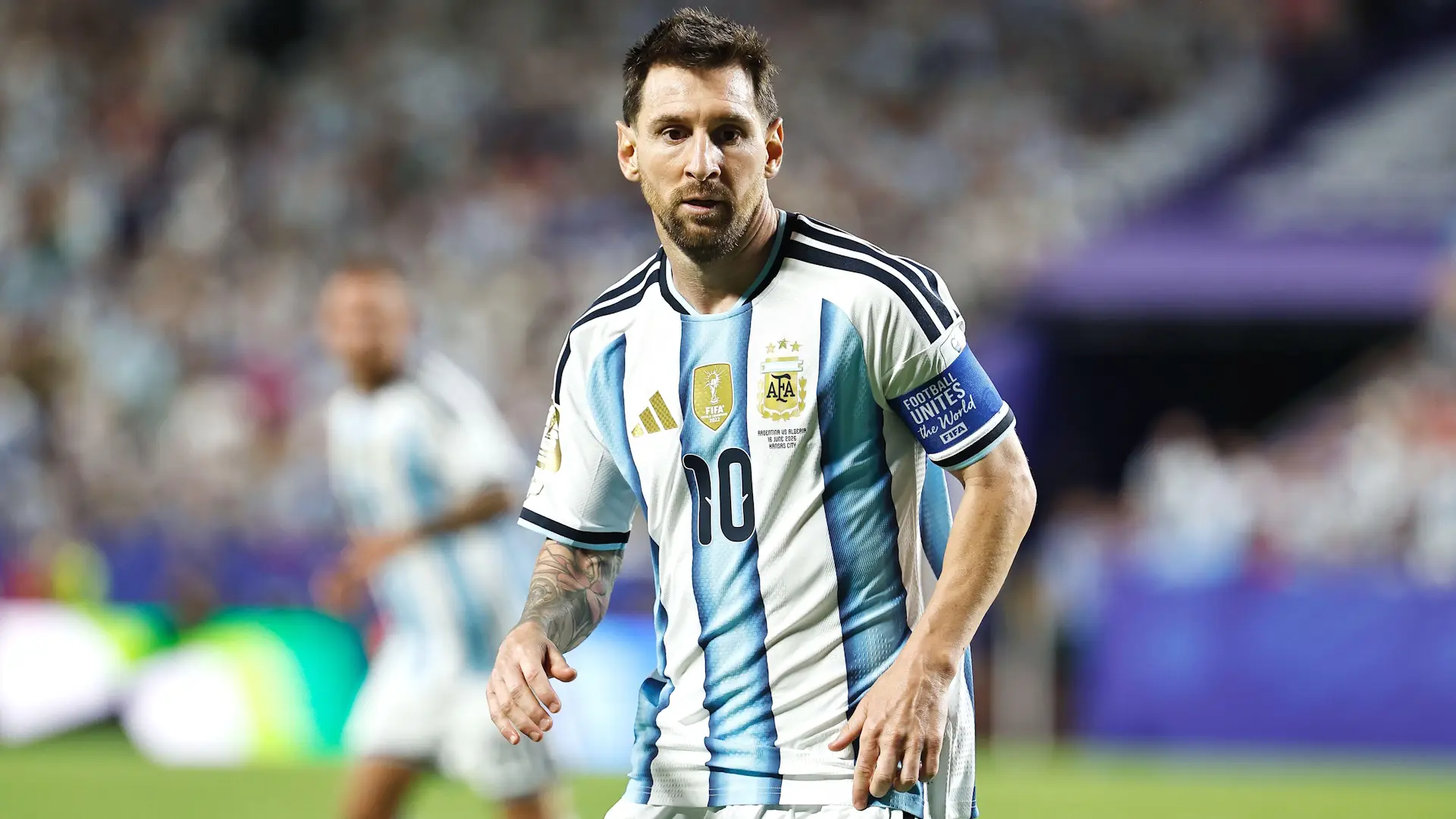
Messi’s hat-trick in the opening match meant that in their second fixture against Austria, he had an opportunity to break the World Cup goalscoring record. Unexpectedly, when the chance presented itself, Messi would surprise everyone, scuffing a penalty wide early on in the match. Soon after, he opened the scoring, with a clever finish and the legendary number 10 completed a brace in second half stoppage time, the match ending 2-0. Argentina then faced Jordan having already qualified for the knockout stage, meaning they could afford to rest Messi and some other key players, but La Albiceleste still started excellently and took the lead inside 20 minutes, Giovani Lo Celso taking set pieces in Messi’s absence and curling a free kick excellently into the top left corner. Argentina would have an opportunity to double their lead soon after as on the half hour mark, defender Marcos Senesi was fouled in the box and Lautaro Martinez converted the penalty, with their usual penalty taker on the bench.
After Jordan managed to pull one back through Mousa Tamari at the start of the second half, Argentina manager Lionel Scaloni turned to his namesake Lionel Messi and his captain delivered once again, scoring Argentina’s second free kick goal of the game and netting his sixth of the tournament, the tie ending 3-1 to Argentina. This win showed that La Albiceleste can still score goals without their main man, but they are infinitely a much better team with him on the pitch. Scaloni’s defence has been excellent so far, but they will come up against much tougher tests and trickier forwards in the upcoming knockout matches. Argentina play unlikely qualifiers Cape Verde in the Round of 32, and should they progress, will meet either Australia or Egypt in the Round of 16.
Germany
The primary objective for Germany boss Julian Nagelsmann would have been to stop a run of successive group stage exits over the previous two World Cups and he has achieved this aim, but things weren’t exactly perfect in their group stage matches. Nagelsmann’s style of play has translated well to tournament football, with his side one of five teams with a double-digit goals tally, scoring 10 goals in their three group stage matches. The majority of these goals were scored in Germany’s opener against World Cup debutants Curacao, with Nagelsmann’s attacking unit finding the net seven times and this result will have bred confidence going forward. There were a few nervy moments at the back and Curacao managed to get on the scoresheet, capitalising on a mistake to equalise soon after the opener before a rut of German goals put the tie beyond doubt.
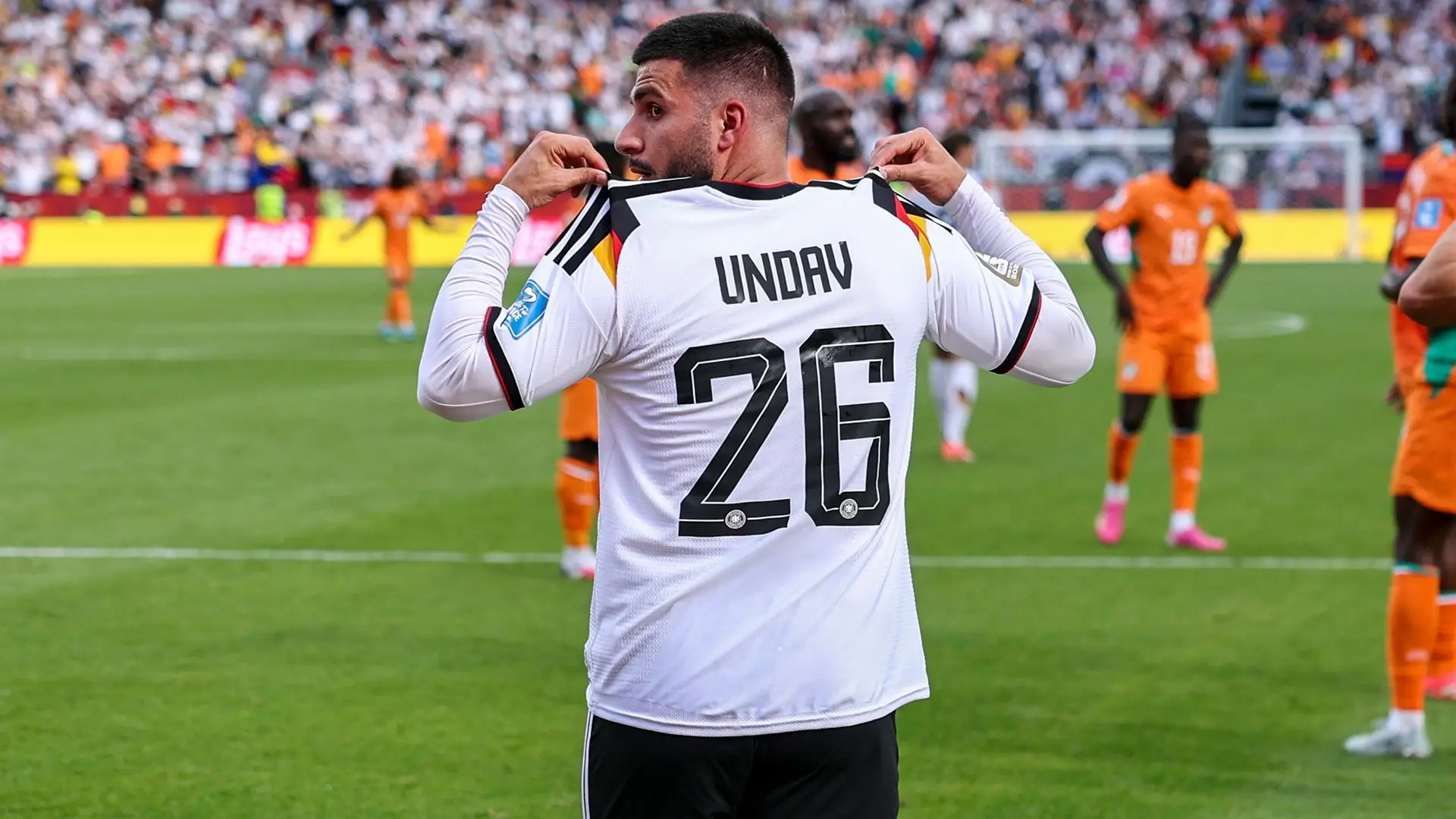
Germany’s defensive frailties were again exposed in their next match against Ivory Coast, as Franck Kessie opened the scoring, their backline switching off on half an hour and allowing Kessie to score, Die Miennschaft going into the break 1-0 down. Nagelsmann showed great tactical fluidity with his substitutes, dropping striker Kai Havertz, into the number 10 role and bringing on Denis Undav up front. Undav equalised soon after his introduction and the substitute would net a winner in stoppage time, securing qualification to the knockout stage for his side and justifying his manager’s decision, the game finishing 2-1.
Partly due to the fact that they had already qualified but primarily due to a lack of concentration, Germany struggled in their last group stage match against Ecuador. Die Miennschaft started brilliantly, with Leroy Sane scoring a controversial early goal, they failed to add to this lead and their opposition were level soon after through a long-range Nilson Angulo strike. Nagelsmann’s outfit conceded a late winner by Gonzalo Plata and couldn’t mount a reaction, the match ending in a 2-1 defeat. Ecuador were through to the next stage as a result, a dramatic ending to the game, but a frustrating one for the German supporters. Despite this defeat, Germany pipped Ivory Coast to top spot in Group E on goal difference. Their group stage matches were certainly all entertaining affairs, with both teams scoring in all three of their matches, but the ‘entertainers’ tag is often not a desirable one for any team to have in football and Nagelsmann will be hoping that his side will have more defensive cohesion to add to their attacking talent in the Euros after the crashing defeat on pens against Paraguay.
Spain
Spain came into the group stage of the 2026 World Cup having tasted victory in the Euros two years prior and they are well fancied to thrive in this setting, but nobody would have expected them to fail to score in their opening match against World Cup debutants Cape Verde. La Roja huffed and puffed throughout the match, forcing countless saves from Verde goalkeeper Vozinha and countless blocks from the defiant opposition back four. Spain failed to hit the back of the net, but thankfully for manager Luis de la Fuente, so did Cape Verde, who looked like clinching an almighty upset towards the end of the match but for a 91st minute stop from Spain goalkeeper Unai Simon. The game ended 0-0, a historic result for Cape Verde and a huge disappointment for the Spanish fans.
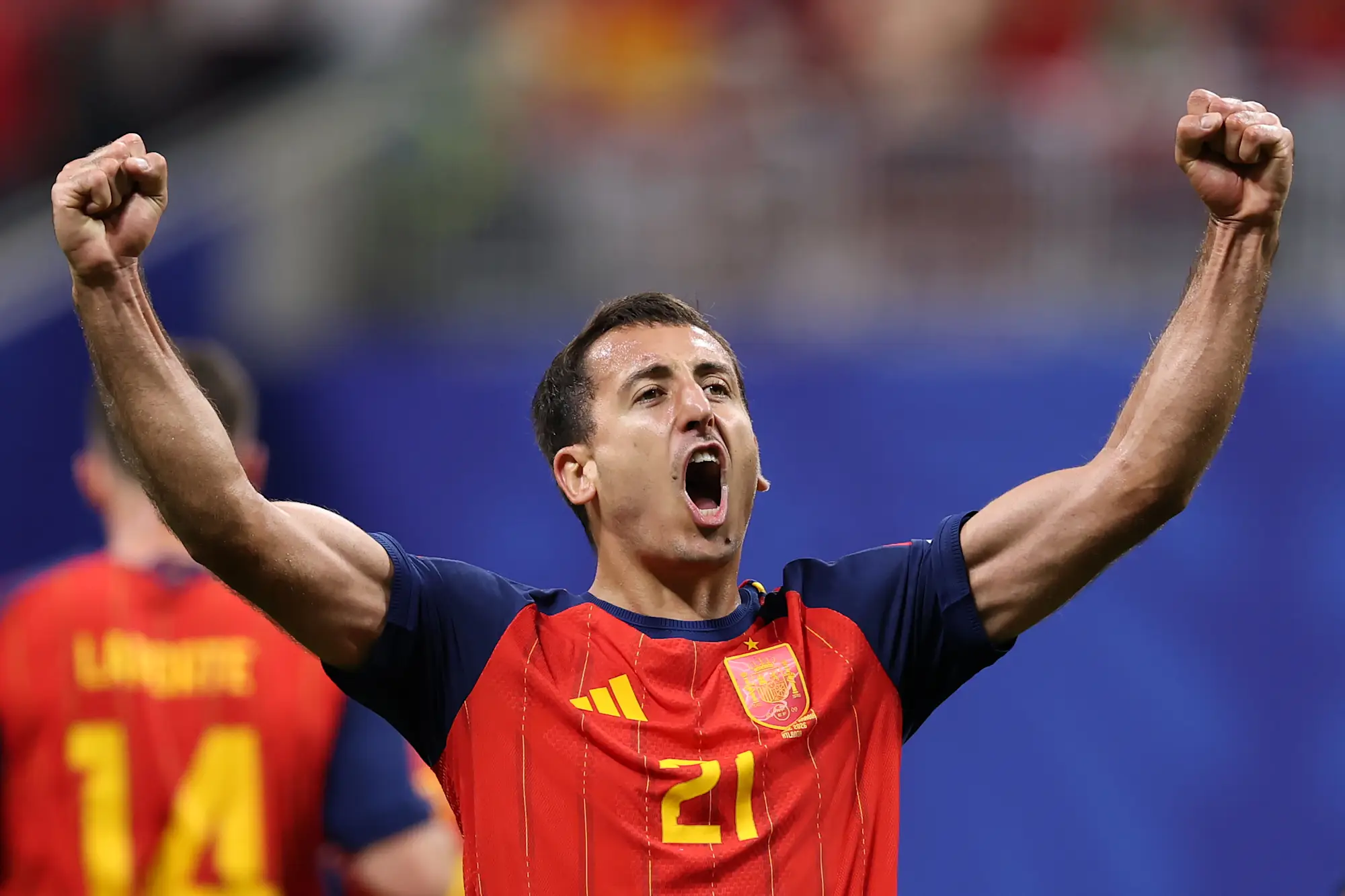
Following on from their opening match draw, Spain would have an excellent chance to put things right against Saudi Arabia and that is exactly what they did. De La Fuente’s players would again dominate possession in this game, but this time they would get an early breakthrough, with Lamine Yamal starting his first game and breaching the Saudi defence early on, finishing well into the bottom corner from close range. A second and third followed in quick succession, with striker Mikel Oyarzabal getting off the mark with two poachers finishes either side of the hydration break, the frontman having received criticism for his quiet display in Spain’s last outing. La Roja added a fourth shortly after half time courtesy of an own goal by Saudi Arabia’s Hassan Al Tambakti, the last portion of the match going by without incident and the final score remaining 4-0.
Having already qualified for the knockout stages, Spain travelled to Guadalajara to face a Uruguay team that had to win to secure qualification to the next stage. The match was a gritty and aggressive affair, but De La Fuente’s side gained a foothold in the match and winger Alex Baena scored before the break, his first for his country at a major tournament. His goal proved to be decisive as the team held on until full time, with tempers boiling over at the end of the tie as their opposition had a man sent off shortly before the match concluded, this 1-0 victory meant that Uruguay were out and Spain had won Group H.
With Yamal fully fit on the wing, Rodri in fine form in midfield and Oyarzabal off the mark up front, Spain could be a real force to be reckoned with going in to the knockout matches. If De La Fuente can merge the defensive solidity from the group stage with some of the attacking flair his team are capable of, he has a chance of securing another tournament victory for Spain in New York. La Roja face Austria in the Round of 32 and will potentially play either Portugal or Croatia, with a meeting of Spain and Portugal in the Round of 16 potentially providing a mouth-watering heavyweight tie earlier than expected. Interestingly, in Spain’s 2010 World Cup campaign, after a disappointing result in their opening match where they were beaten 1-0 by Switzerland, Spain won every other game and eventually were victorious in the final. Could history repeat itself in this summer’s World Cup?
Scotland
The group stage had an excellent start for Scotland, as they beat World Cup debutants Haiti 1-0, with a scrappy goal from John McGinn securing an important three points in a fairly even affair. This result was followed by an infuriating match for the Tartan Army, as they were dealt a taste of their own medicine, suffering a 1-0 defeat against Morocco who led early through Ismael Saibari. Many Scottish penalty appeals were waved away by the referee throughout the match and Steve Clarke will have felt his team were unlucky to lose their second game.
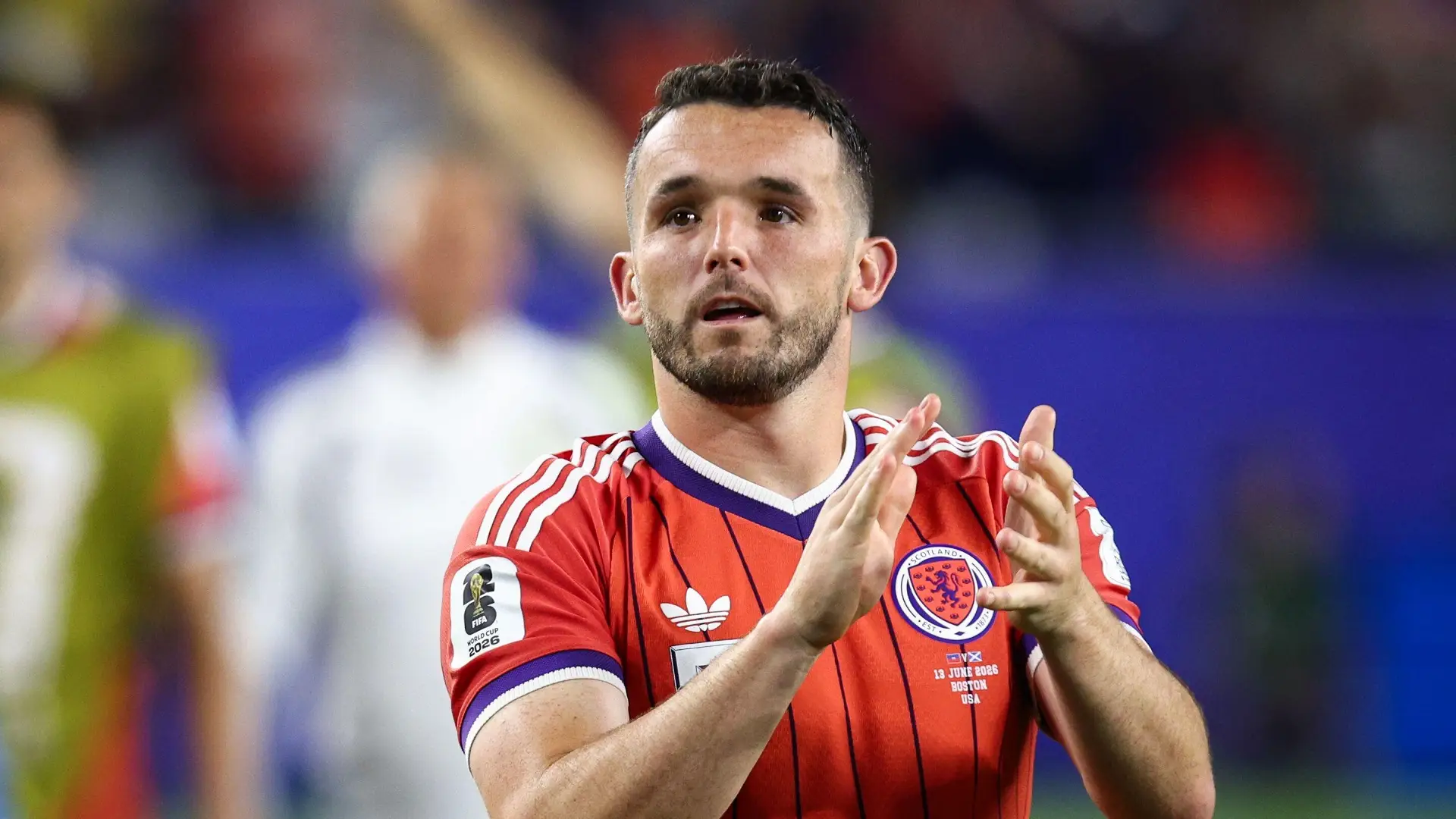
In their last group stage fixture and as it turns out, their final match of the World Cup, Scotland faced five-time champions Brazil, starting the game well, with the players seemingly up for the challenge, but during a comfortable spell of possession, a lack of concentration at the back saw Scott McKenna forfeit the ball to Brazil’s superstar forward Vinicius Jr. and he made no mistake, clinically slotting past Scottish ‘keeper Angus Gunn. Scotland managed to regain some control and grew into the half, but they struggled to really threaten the Brazil defence, with things going from bad to worse as Andy Robertson’s error, saw Bruno Guimares pick up the ball in space, the midfielder crossing for Vinicius Jr. to head in his second and double Brazil’s lead before the break.
The message at half time would have been to keep it tight and refrain from making any more costly errors, with goal difference likely to be important for qualification to the knockout stages, but Brazil would score a third with around half an hour left to play as Guimaraes again proved a nuisance for Scotland, threading a superb pass into Matheus Cunha who finished well past Gunn. Vinicius Jr. was denied a hat-trick, Gunn making some good saves as Brazil threatened towards the end of the match, but it would end 3-0. Scotland finished third in Group D with a goal difference of -3 and a slim chance of qualifying for the round of 32, but results didn’t go their way and Clarke’s team were eliminated, the manager resigning from his role soon after. The future of the national side is now uncertain and some will see this summer’s outing as a bit of a missed opportunity, but the Tartan Army will always have fond memories of McGinn’s goal and their victory over Haiti in Boston.