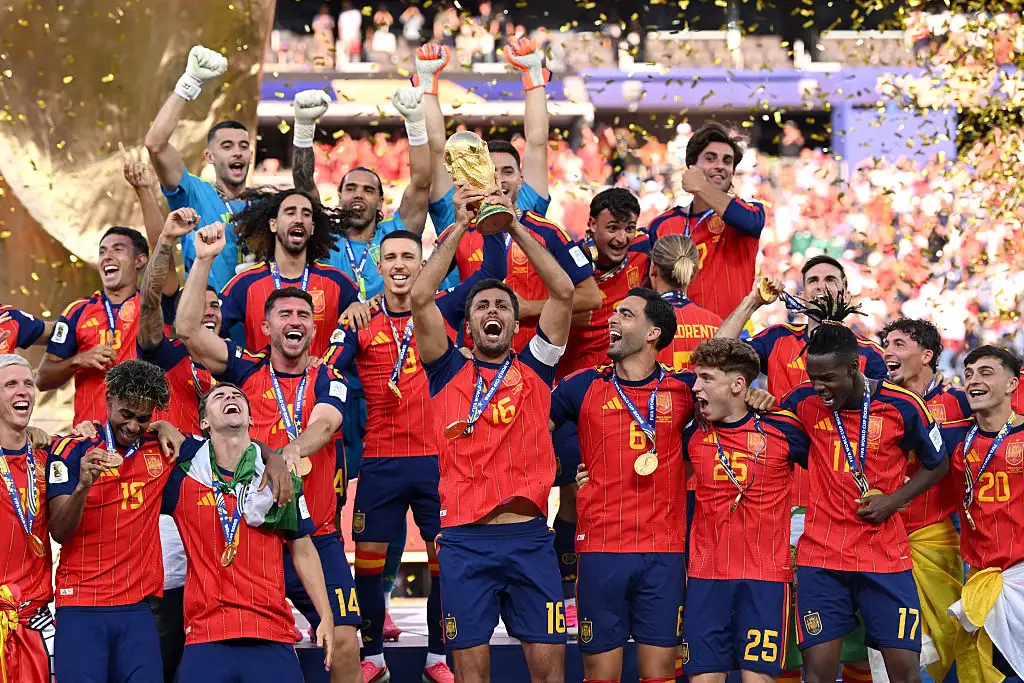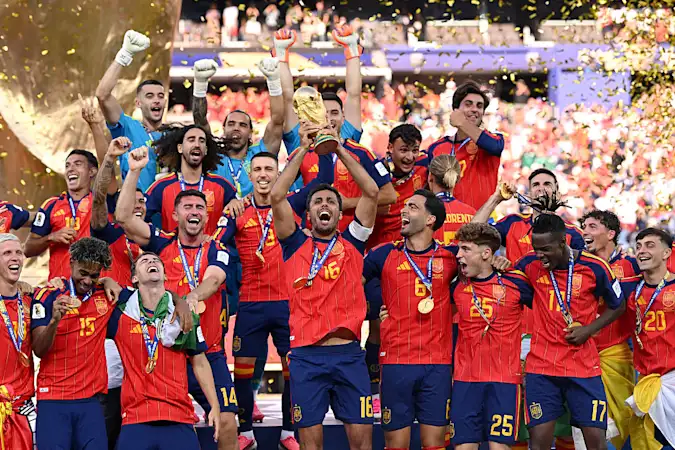
The curtain has closed on yet another colossal World Cup, this summer’s 48-team tournament the biggest of all time, with Spain triumphing over Argentina in a fiery final in New Jersey. Here we look at how some key players got on in the tournament and assess how a handful of teams have fared throughout.
One of the bigger narratives ahead of the tournament was whether some of the aging greats could still perform at the big stage, with a number of legendary names looking to recapture their past form on the big stage. Lionel Messi proved that he can still provide some magic for his team, netting eight goals and producing some excellent assists in Argentina’s knockout matches, but he wasn’t so spectacular from the penalty spot.
Portugal’s Cristiano Ronaldo and Brazil’s Neymar found the net for their national teams at this World Cup, but their sides were both eliminated earlier than perhaps had been expected. Legendary goalkeeper Manuel Neuer came out of retirement to play for his national side once again at this summer’s World Cup, but he struggled slightly and could not produce a save as Germany were knockout out on penalties at the hands of Paraguay.
Plenty of big-name forwards delivered at the tournament, with the likes of Harry Kane, Erling Haaland, and Kylian Mbappe all scoring goals for their respective sides, the latter finishing top of the Golden Boot race to win the award having notched nine goals for France in the competition. Spain’s Rodri has been named the official player of this World Cup, winning the Golden Ball award. He had only got back to full fitness in the months prior to the tournament following an ACL tear, but he was unstoppable at the heart of La Roja’s midfield, mopping up danger and progressing the ball well.
Plenty of young stars shone at the 2026 World Cup, with many having breakout tournaments. Pau Cubarsi was a rock at the back for Spain in North America, playing every minute for his team. The 19-year-old’s performances were key to Spain’s success as he formed an imperious partnership with the no-nonsense Aymeric Laporte.
Scotland
Scotland travelled to this summer’s World Cup, their first since 1998, believing that they could cause teams problems and with a squad made up of plenty of stars from top five leagues. Their group was certainly a difficult one and although they won their first match against Haiti, they were beaten in their next two games against Brazil and Morocco. Despite not finishing bottom of Group C, they were one of the poorer third placed teams and were eliminated from the competition.
Perhaps the biggest disappointment for the Scottish supporters is the fact that their team only managed to score once in their three group stage matches, John McGinn’s strike in their 1-0 Haiti win their only goal at the tournament. Scott McTominay had a few half chances in their matches but he could not show any of the killer instinct that he so often displays for Napoli in any of these situations.
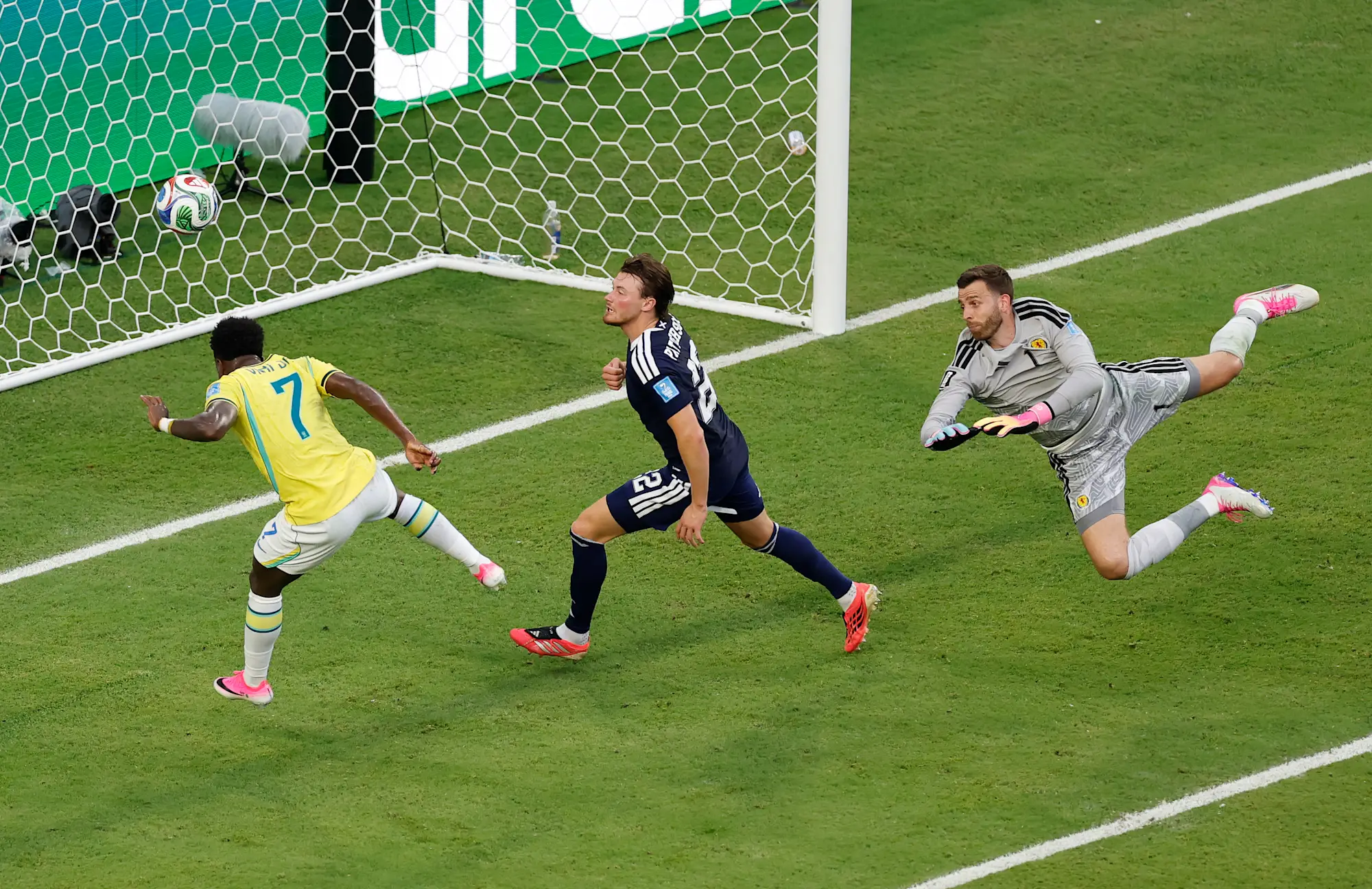
The primary frustration for the Tartan Army will likely be that their players committed too many costly individual errors in their matches. Goalkeeper Angus Gunn would have felt he could’ve done better to keep out Ismael Saibari’s strike in the 1-0 loss against Morocco. Defenders Scott McKenna and Jack Hendry were both guilty of surrendering possession against Brazil, with both mistakes leading to goals in the 3-0 defeat, a result that proved damning as the goal difference took a hit. In both matches against Brazil and Morocco, Scotland also failed to really create many clear-cut chances and test the opposition’s keeper, with a real lack of creativity and energy going forward. Clarke’s team also failed to threaten from set pieces, this aspect of the game having been highlighted as a potential avenue for goals going in to the tournament, with poor deliveries from experienced veterans Andy Robertson and John McGinn.
After such a strong performance in their 1-0 win against Haiti, to once again not progress past the group stage at a World Cup has to be seen as a disappointment for Steve Clarke, who left his post following Scotland’s exit. Scotland had a good squad with plenty of experienced players and lively attackers at their disposal, but a lack of cohesion in the final third and a few lapses in concentration at the back proved costly in North America.
Mexico
Expectations and confidence were low going in to this World Cup, but host nation Mexico were excellent in the tournament. Experienced manager Javier Aguirre was brought back in the hope that he could turn the struggling nation’s fortunes around and avoid a group stage exit, the head coach passed this test in flying colours as El Tri won group A, managing not concede a single goal in the competitions early stage.
Throughout the group stage and in their early knockout ties, Javier Aguirre’s side thrived at home, with their quick counter attacking football and defensive organisation proving paramount in securing victories against South Africa, South Korea, and Czechia. They won their first knockout match at a World Cup since 1986 with a 2-0 victory against Ecuador in Mexico City. A place in the Quarter Finals was at stake as Aguirre’s side hosted England in a Last 16 matchup, but this challenge proved to be too much for the host nation as they fell to a 3-2 defeat, losing at the Azteca for only the third time.
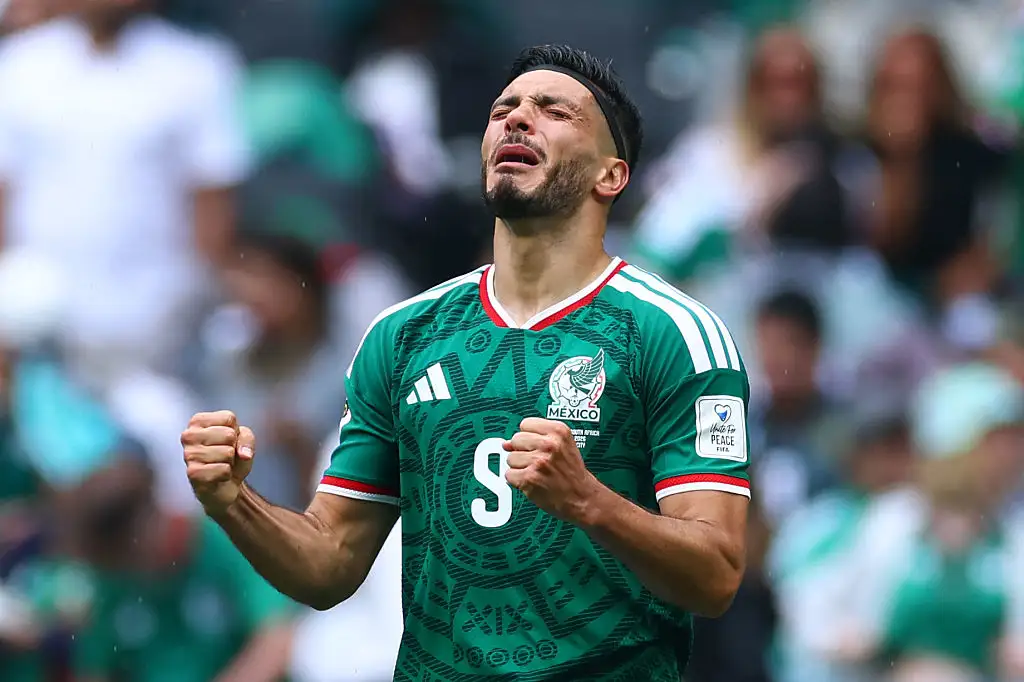
Mexico made good use of their home advantage at the Estadio Azteca and this element was a big factor in their success at the tournament. This was a feel-good outing for the Mexican supporters, with some great stories unfolding on the pitch. Passionate striker Raul Jimenez’s first World Cup goals were made even more emotional due to his history of injuries, the frontman defying the odds to come back and play for his beloved national team and he thrived in this setting. Legendary goalkeeper Guilhermo Ochoa even got a cameo, albeit for a brief stint between the sticks against Czechia.
This tournament saw new Mexican heroes stand out as winger Julian Quinones shone, scoring in four of their five World Cup matches. Following on from a third successful stint at the helm of his beloved national side, Javier Aguirre stepped down after the England defeat and his shoes will be very difficult to fill, but El Tri have plenty of young stars such as 17-year-old Gilberto Mora and 20-year-old Obed Vargas, both look to have bright futures for the national side.
Germany
After disappointing outings at their last few major tournaments, Germany looked to be a stronger and more well-rounded unit going into the 2026 World Cup. A steady group stage performance saw them top Group E having scored ten goals, but they had also shown some defensive frailties in these matches, conceding in all three games, including in a 2-1 defeat to Ecuador. They had showed a lot of quality going forward in their wins against Curacao and Ivory Coast, but they would need to be sturdier at the back in the knockout phase.
Germany once again struggled defensively in their Round of 32 clash with Paraguay, with Julio Enciso netting past Neuer just before half time to give his team an unlikely lead. Soon after the break, Die Mannschaft drew level as their key man Kai Havertz found the net. The match ended 1-1 and extra time followed, with Julian Nagelsmann’s side throwing everything at it to ensure the game wouldn’t go to penalties, but the Paraguayan backline held firm and spot kicks were required after the final whistle.
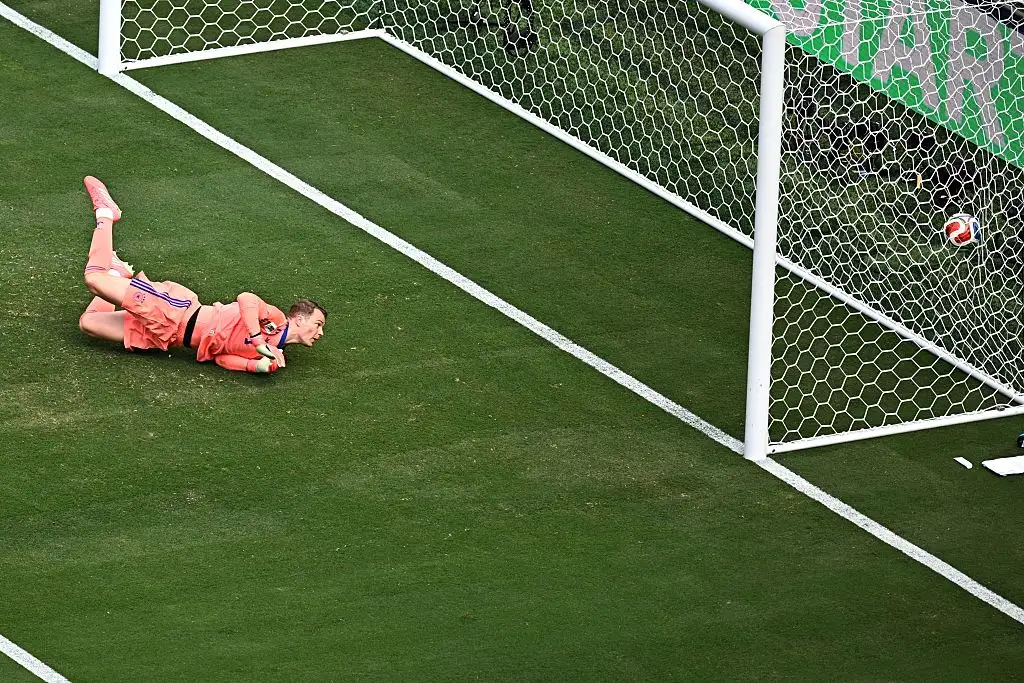
Germany have historically been known to be strong in penalty shootouts over the years, having never lost on spot kicks at a World Cup going in to this instalment, but after a few hits and misses in the shootout, the unfortunate Jonathan Tah stepped up and skied his penalty over the bar, with his opposite number Jose Canale then scoring from the spot to send the Germans crashing out at the Round of 32 stage.
Die Mannschaft struggled to find any real patterns of play going forward in their matches, with their goals in the competition primarily coming from moments of individual quality rather than from well-constructed chances and this is perhaps an example of how manager Julian Nagelsmann’s tactical approach may not translate quite as well over to the national game as it has in club football.
Elimination from the tournament at the hands of Paraguay was one of the bigger upsets of the World Cup and the German fans have a right to be disappointed with their team and manager, with their departure added to a series of early exits in recent major tournaments. As a result, Nagelsmann left his position as head coach, with Jurgen Klopp rumoured to be taking over the hotseat as Die Mannschaft boss going forward.
Argentina
After a fairly routine Group stage outing as they won Group J without too much trouble, they were tested thoroughly in the knockout stage, edging a 3-2 goal-fest against Cape Verde in extra time and coming back from two goals down to win 3-2 against Egypt. These thrillers were followed by a 3-1 extra time triumph against Switzerland in the Quarter Finals. La Albiceleste would once again have to come back from behind in Argentina’s Semi Final tie against England.
Coming in to this huge tie which saw the two bitter rivals face off, Lionel Messi had already scored eight goals, but in this match, the little magician would turn provider, assisting both goals as his team came back to win 2-1, knocking out the Three Lions and securing their place in the final. A quiet but fiery first half had finished 0-0, with Anthony Gordon finding the breakthrough for England soon after half time, Argentina scoring through Enzo Fernandez and Lautaro Martinez in the game’s final quarter.
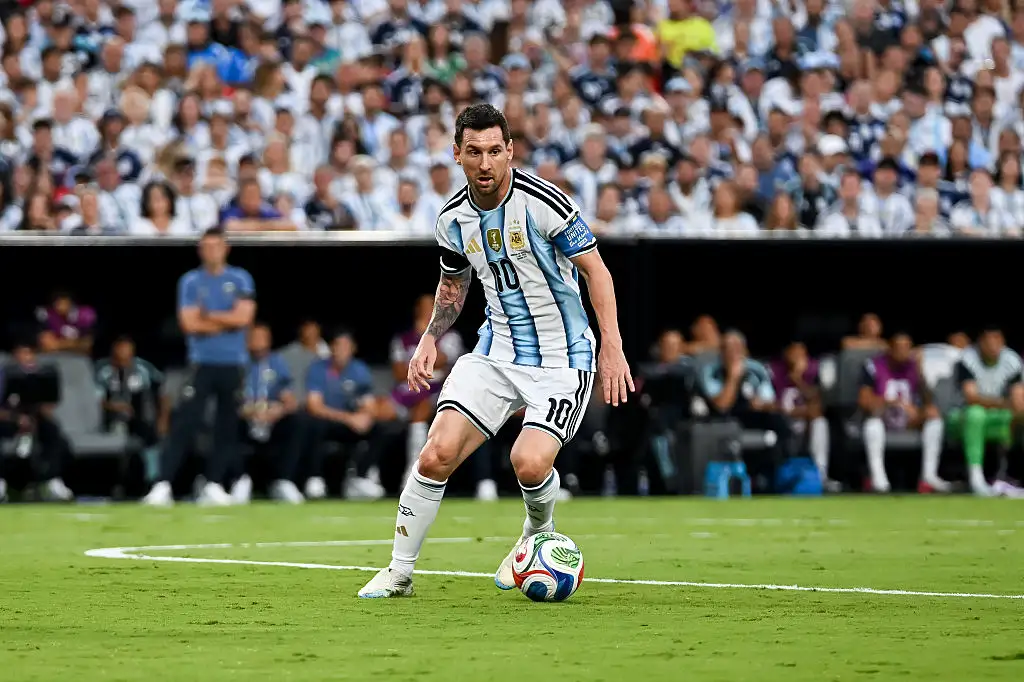
Cup finals are often cagey affairs, with neither team wanting to take too many risks, and this was the case in this tournament’s last fixture. Argentina remained compact throughout the 90, limiting Spain to very few big chances. Their opposition had maintained control throughout the match however, nullifying Messi and not allowing La Albiceleste to even muster a shot in normal time.
Towards the end of the 90 minutes in a quiet final, Lionel Scaloni’s side were reduced to ten men as the already booked Enzo Fernandez clattered into Marc Cubarsi, receiving a red card and leaving his team with an even tougher task as extra time followed. Despite the best efforts of the stubborn Argentine backline, Spain would find the games first and only goal through Ferran Torres soon after the second period of extra time began, with the match finishing 1-0, La Albiceleste having fallen at the final hurdle in World Cup final agony. A controversial tournament had a controversial ending as a mass brawl erupted after the final whistle, with Leandro Paredes also sent off in the aftermath for Argentina. Messi was in tears on the pitch at full time after what will likely have been his final World Cup match ended in heartbreak.
Argentina’s passion and energy was perhaps their strongest attribute throughout the tournament and their never say die attitude meant that even against all odds, they still come out on top in their matches. Their tenacity and enthusiasm certainly rubbed England up the wrong way in their Semi Final clash and this helped them to secure their place in the final, but things went too far there as Enzo Fernandez got carried away, emotions running high on the pitch in New Jersey. Argentina head coach Lionel Scaloni clearly took the defeat to heart as he wept his way through a brief post-match press conference, but he still has plenty of credit following Argentina’s victory in the previous World Cup.
Scaloni is expected to step down however, his namesake Lionel Messi couldn’t quite add to his sensational list of achievements with another World Cup win, but the legendary number ten showed that he has still got magic in his boots with his performances. This may have been his last World Cup, but he has passed the torch to future stars in Julian Alvarez and Guiliano Simeone, with strong displays from Premier League duo Enzo Fernandez and Alexis Mac Allister also showing that the future is exciting for La Albiceleste.
Spain
Luis De La Fuente’s Spain came into this tournament as one of the favourites to win it, but this is always easier said than done. Despite an unconvincing display in their opening match as they drew 0-0 with minnows Cape Verde, they cruised through this tournament seemingly in second gear. After topping Group H having not conceded a single goal, they defeated European adversaries Austria, Portugal, and Belgium to book their place in the Semi Finals. A monumental heavyweight clash with France in the Semis seemed to not faze any of Spain’s players, who treated it as just another game, De La Fuente’s backline limiting the French to very little in terms of clear-cut chances.
when the opportunities came at the other end, La Roja took them, their first goal coming just before the first hydration break as they were awarded a penalty following Lucas Digne’s sloppy challenge on Lamine Yamal. Frontman Mikel Oyarzabal stepped up to tuck the ball past Mike Mignan and give his team a deserved lead, having lead the line well for his team at the tournament. The second came through Pedro Porro, the defender timing his run excellently and finishing superbly past Maignan, with goals from all over the pitch a big factor in Spain’s success. They saw the match out with ease, keeping possession comfortably, almost taunting their opposition as their supporters ole’d in the stands. In their biggest result of the tournament so far, De La Fuente’s side had knocked out their European rivals and now had a great chance to take home the trophy in New Jersey against Argentina.
As the final came around, Spain entered full of confidence after the France win, controlling this game with long spells of possession. In extra time, buoyed by Fernandez red card, they hunted for a winner and the decisive goal came from a combination of substitutes. A deep cross to the back post found Nico Williams who nodded the ball back for Ferran Torres to volley past Emiliano Martinez and give his team the lead. Despite some nervy final moments in the game as their opposition finally looked likely to find the net, Spain held on to secure a 1-0 victory and win a second World Cup on the back of their win at the Euros just two years prior.
La Roja were worthy champions in North America, keeping the ball superbly and not allowing their opposition a sniff in the final. In terms of performances from national teams, their display at this tournament was as close to perfection as you can get. Luis De La Fuente’s Spanish machine are patient in possession, picking the perfect pass to unlock even the most frugal of defences, his team also lightening quick on the counter attack when needed to be. This attacking firepower alongside their defensive solidity proved to be a winning combination as they were simply too strong for every team they faced, Spain fully deserving of the win at the 2026 World Cup.