It feels like only yesterday we were still consumed by World Cup fever, but the Premier League season has already reached its first break – an extra-long international break.
But with the English top flight among the top leagues hitting pause for almost three weeks, it’s time to take stock of what the early weeks of the campaign have taught us.
Here are our three big takeaways from the 2026/27 campaign so far…
We have a title race on our hands
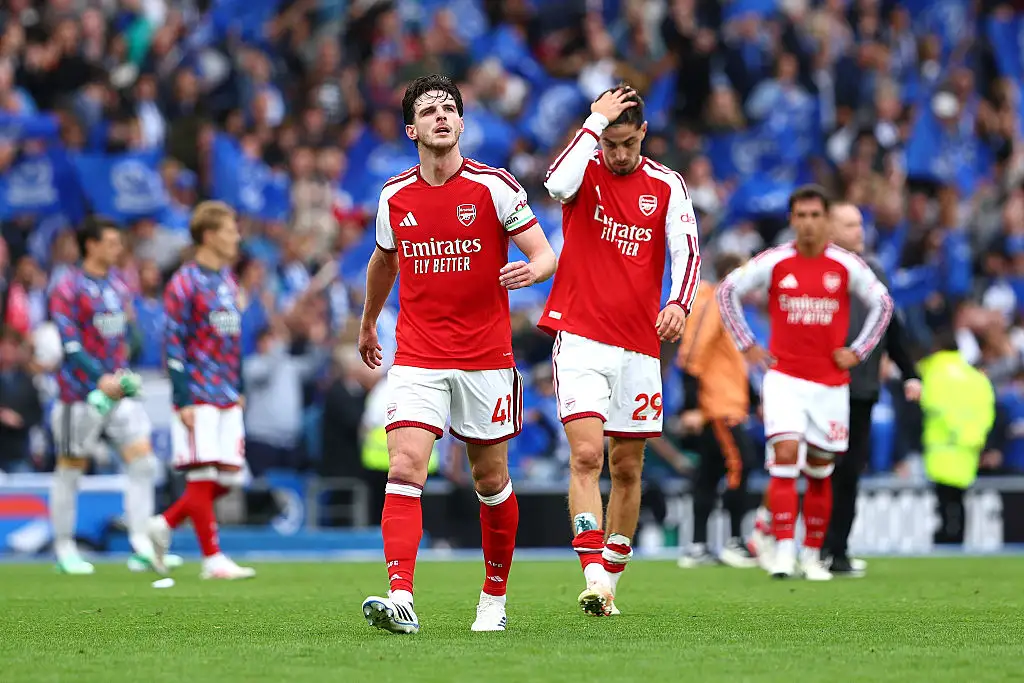
Arsenal seemed to be most people’s pre-season favourites for the title, and they’ve started the defence of their crown strongly enough with four wins from their opening five games – but they don’t go into the international break top of the pile, having lost 3-0 at Brighton last time out.
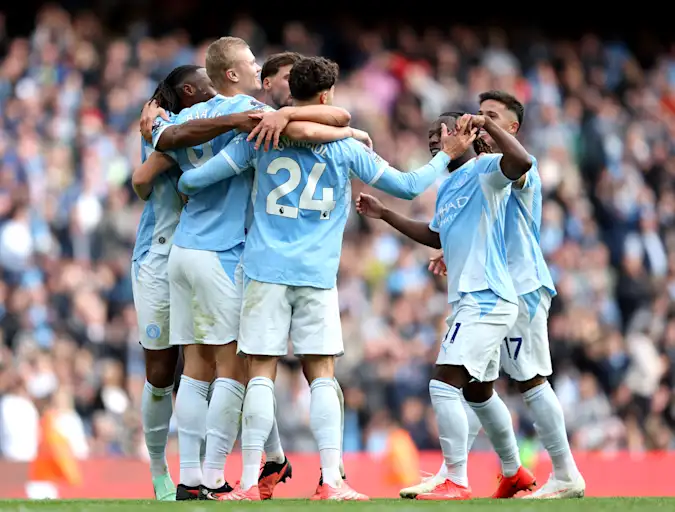
Nope, Manchester City do, boasting the last 100% record in the top five divisions of English football this term.
With such a pronounced changing of the guard at the Etihad Stadium this summer – not least with Pep Guardiola making way for Enzo Maresca in the dugout – it was perfectly reasonable to think Man City were set for a transitional campaign.
But on the evidence of the early Maresca era, they’re going to be there or thereabouts in 2026/27, having finished third then second in the final two seasons of Guardiola’s trophy-laden 10-year tenure.
Perhaps most tellingly of all, in the space of five matches, City have shown they can win in different ways: they’ve done it comprehensively (4-1 vs Crystal Palace); they’ve ground out 1-0s – most impressively to down local rivals Manchester United at Old Trafford; and, most recently, they’ve kept going through a goal-filled thriller to eventually pull clear (beating Sunderland 5-3).
Granted, Arsenal have done that too – and until the jolt of this weekend’s 3-0 defeat to Brighton, they looked imperious, winning every game in all competitions (as City have done) – but that was to be expected from the reigning Premier League champions.
City are showing the hallmarks of a potential title-winning side (which probably shouldn’t come as a surprise given nine of their first-team squad have Premier League winners’ medals) and, in a way, it’s a shame we have to wait until the end of November for their first meeting with Mikel Arteta’s Gunners.
It could be another enthralling European battle
European qualification has gone right down to the wire in recent Premier League seasons – and last term’s fight to get into the Champions League, Europa League and Conference League was especially thrilling.
None of Liverpool, Bournemouth, Sunderland or Brighton were mathematically assured of their place in Europe until the final whistle went on the final day of the campaign, and the early signs are we could see a repeat in 2026/27.
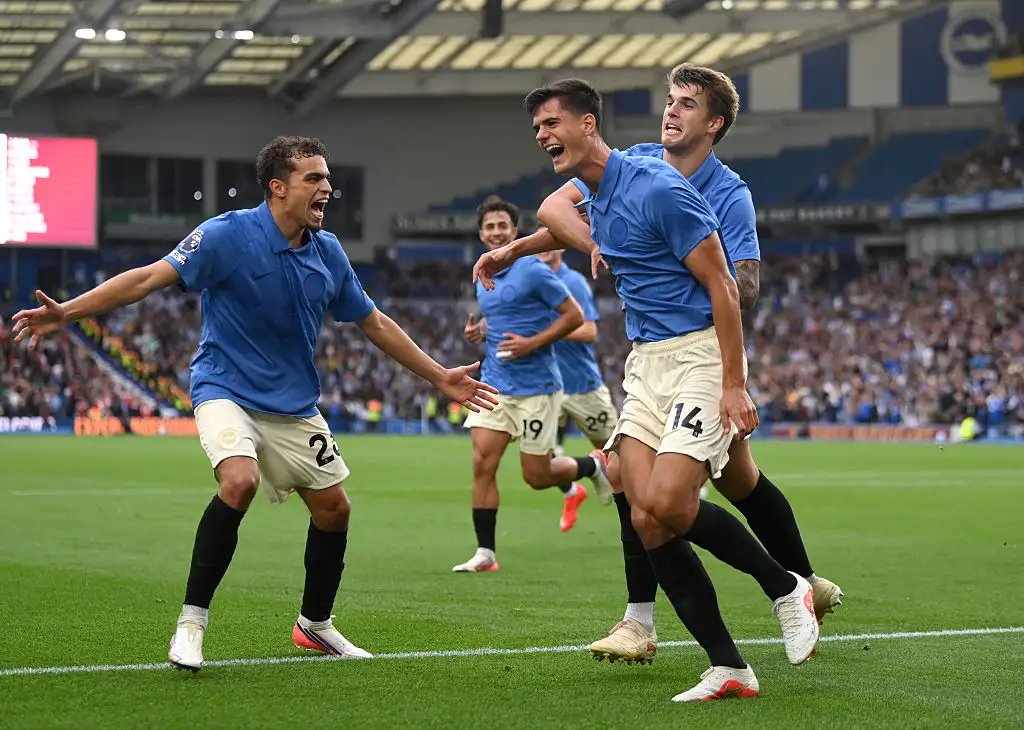
It remains to be seen how Brighton’s Conference League commitments affect them after a rip-roaring start that sees them sit third with a league-high 16 goals scored – signing off for the international break by sweeping aside Arsenal 3-0 – but they’ll certainly back themselves to better last season’s eighth-placed finish.
Meanwhile, unbeaten Brentford (who have never qualified for Europe), Leeds and Everton, and newly promoted Hull all occupy top-eight spots as things stand – and finishing eighth was enough for Conference League qualification last time around.
And that’s before we even get onto the European regulars who will need to improve on slow starts to avoid missing out on continental competition in 2027/28.
Yes, there are still 33 games to go, but it hardly feels inconceivable that at least one of Newcastle, Chelsea, Man United, Aston Villa and Tottenham – who’ve managed only five wins between them (Spurs have still yet to taste victory and find themselves bottom) – won’t make it.
Ultimately, it’s a mark of how competitive (at least below the title race) the Premier League has become of late.
Splashing the cash can = instant success – but it’s no guarantee
Promoted trio Hull, Ipswich and Coventry all spent substantial sums of money (and all broke their transfer record multiple times) this summer revamping their squads in a bid to avoid relegation – and so far, they’ve all experienced varying fortunes.
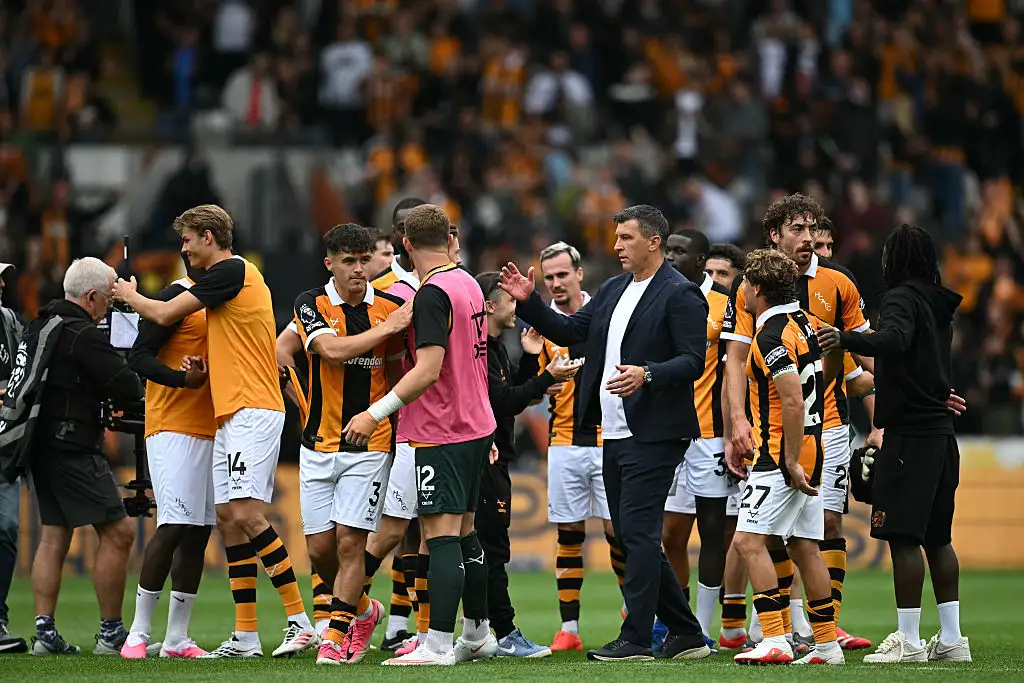
Hull – who named three of their whopping 17 summer signings in their most recent starting line-up and brought three more off the bench – almost made it to the international break unbeaten in the league, suffering their first defeat of the season 2-1 to Newcastle.
Nonetheless, the 2025/26 Championship play-off winners have made one of the strongest starts of any promoted side in Premier League history.
Championship runners-up Ipswich, aiming to make it stick this time after going straight back down in 2024/25, were similarly busy in the transfer market, bringing in 14 players.
Under new boss Gary O’Neil, the Tractor Boys have had a mixed bag of results early in the campaign, but with two wins under their belts they’re already almost a third of the way to their points total from two seasons ago (22).
And second-tier champions Coventry, while they did the least business out of these three clubs, still made 11 additions during the window as they returned to the top flight for the first time in 25 years.
They’ve also made the slowest start of the three – the slowest start in their history in the top four divisions, in fact – but Sky Blues fans who might have feared the worst after seeing their team lose their first four matches by a combined scoreline of 10-0 finally had cause to celebrate thanks to a 1-0 victory at Nottingham Forest in Matchweek 5.
On paper, Hull, Ipswich and Coventry all looked to have done some very shrewd recruitment – but it’s how well you integrate your new recruits into the existing set-up that really counts, and Hull and Ipswich appear to have done that slightly better than Coventry.
Again, we must caveat that with the fact we’re barely 10% of the way into the season, but it’s an area worth reflecting on when it comes to assessing who might or might not be scrapping away towards the bottom of the table come May.