
Manchester City conviction detonates the bomb: Al-Khelaifi's big week turns into a nightmare
What's the story?
Among the major clubs of European football, the scene had looked ideal, as though the old disputes between Madrid and UEFA over the Super League project belonged to the past. Then came the decision to find Manchester City guilty of breaching the Premier League's financial rules. That verdict reopened thorny files across European football and cast fresh shadows over the relationship between the clubs and the bodies that organise the competitions.
The ruling landed hours before the European Football Clubs association (EFC) began its meeting in the Danish capital, Copenhagen. Previously known as the European Club Association (ECA), the body takes in more than 800 clubs.
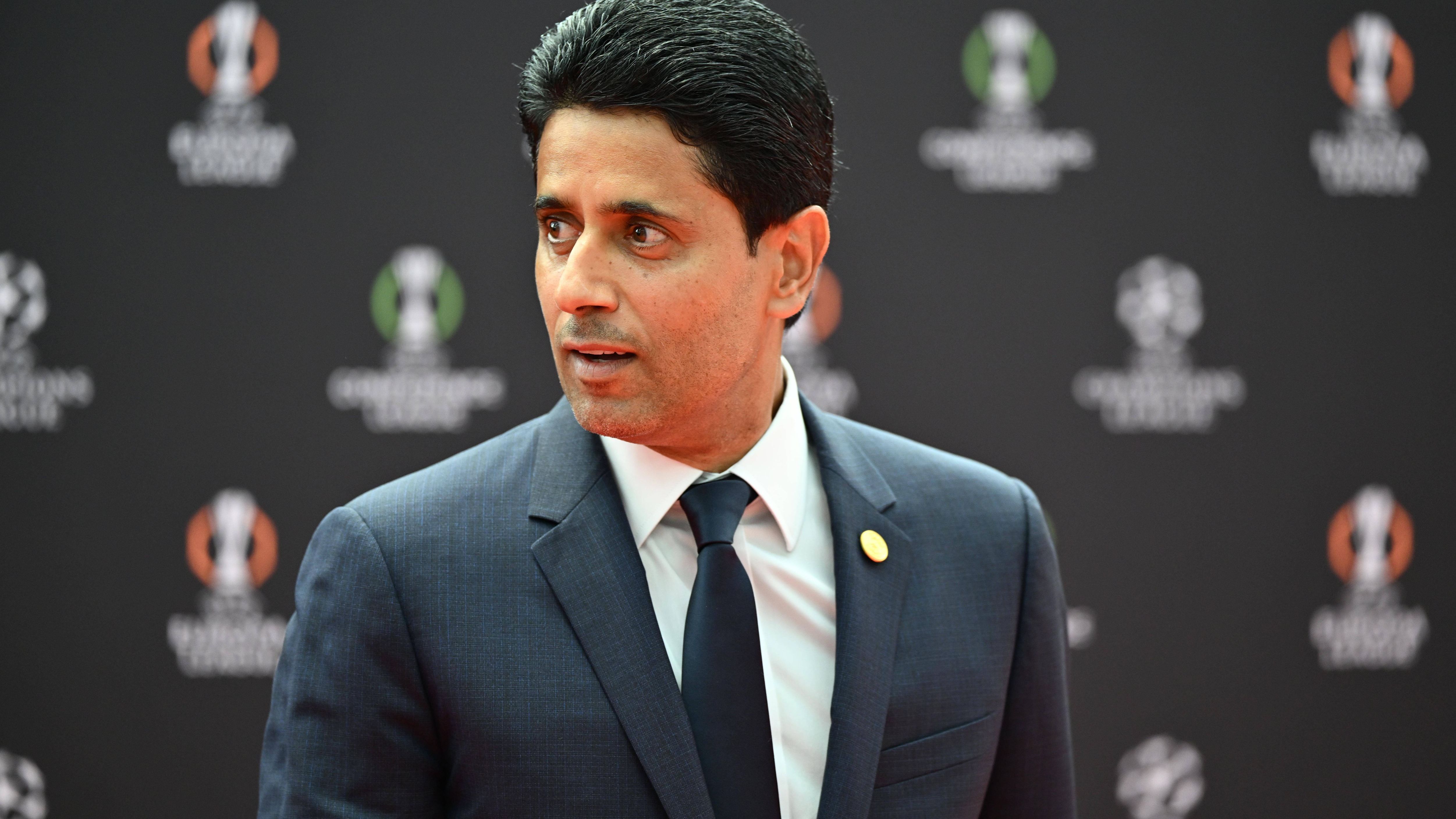
Qatari Nasser Al-Khelaifi, president of Paris Saint-Germain, has chaired the association since the split that engulfed the founding clubs of the Super League project. Almost all of them have returned to the European system. Real Madrid remain the exception, still acting independently on the matter.
Expect the Manchester City file to seize a large share of the attention during the meeting. The English club's conviction revived old questions about the consistency with which the financial rules are applied to different clubs, at a time when critics believe some clubs adhered to the regulations while others enjoyed greater room to manoeuvre within the system.
City and Paris in the circle of controversy
Manchester City and Paris Saint-Germain have long been among the most prominent clubs to raise questions about their sources of funding and the value of some commercial sponsorship contracts.
Of the 115 charges the Premier League brought against Manchester City, dozens relate to commercial contracts suspected of having their value inflated, through sponsorship agreements linked to companies in Abu Dhabi, according to the file the English club faced.
Paris Saint-Germain and their president Nasser Al-Khelaifi face similar criticism and accusations from various parties over the nature of their commercial and financial relationships linked to Qatar. That places Al-Khelaifi in an extremely sensitive position. He not only chairs Paris Saint-Germain but also leads the institution that represents the interests of hundreds of European clubs.
The paradox grows sharper still. The president of one of the clubs at the centre of such discussions is himself the president of the association that is supposed to represent every European club. That makes the Copenhagen meeting a likely arena for an important discussion of the fallout from the Manchester City decision, and what it could mean for the future of relations between the major clubs.
Around Al-Khelaifi during the meeting will sit a number of his prominent allies in European football, figures such as Ceferin, Gill, Marin and Laporta. Dealing with the mess left by the Manchester City file will be anything but easy, especially as the circle of parties talking about financial rights and potential compensation keeps widening.
Premier League clubs make their move
The repercussions of the case do not stop at Manchester City. The other 19 clubs in the Premier League are exploring the legal avenues through which they can claim compensation for the losses they say they have incurred over the past years, should the violations attributed to the club be proven to have affected competition or the distribution of revenues and opportunities within it.
Former and current players have weighed in too. David de Gea vented his anger on social media with a sarcastic line: "How many Premier League titles have I won?", a nod to the controversy surrounding the titles Manchester City won over the past years.
Nor did the matter stop at English clubs. Reports emerged in Romania suggesting Barcelona might look into claiming compensation of their own, on the back of their elimination against Manchester City in the Champions League qualifiers in 2016 and the resulting financial fallout for the club, according to those reports.
The guilty verdict, then, is no longer merely a case tied to a breach of financial regulations within the Premier League. It has become a far wider file, one that could reopen the debate over the fairness of competition, the way the rules are applied and the financial responsibility of clubs, along with the possible emergence of financial claims from parties who consider themselves harmed by the violations at the heart of the case.
As the European Club Association prepares for its meeting in Copenhagen, Al-Khelaifi finds himself facing a new and complex file within one of the largest institutions representing the clubs on the continent. The Manchester City case has brought tension back to the fore and threatened to reopen files European football thought it had begun to close.