



Kai Havertz should have been awarded penalty against Hull, KMI panel finds
An independent panel has unanimously ruled that Arsenal were incorrectly denied a penalty against Hull for a foul on Kai Havertz while the German was in an offside position.
The attacker was held back by Nobel Mendy at the Emirates Stadium on November 7, but referee Farai Hallam gave nothing on the pitch. VAR Michael Oliver recommended Hallam review the incident, yet no spot-kick was awarded due to Havertz being offside.
The five-person Key Match Incidents (KMI) panel unanimously determined that a penalty should have been given both on field and following review based on the chronology of events.
The panel established that Mendy’s holding occurred prior to any potential offside offence by Havertz. Law 11 states that a player in an offside position when the ball is played by a teammate is only penalised upon becoming involved in active play.
The panel also unanimously disagreed with the decision not to award Coventry a penalty against Everton on November 6 when James Tarkowski pulled the hair of Caleb Yirenkyi.
It concluded that the incident ought to have been penalised with a spot-kick and a yellow card shown to Tarkowski.
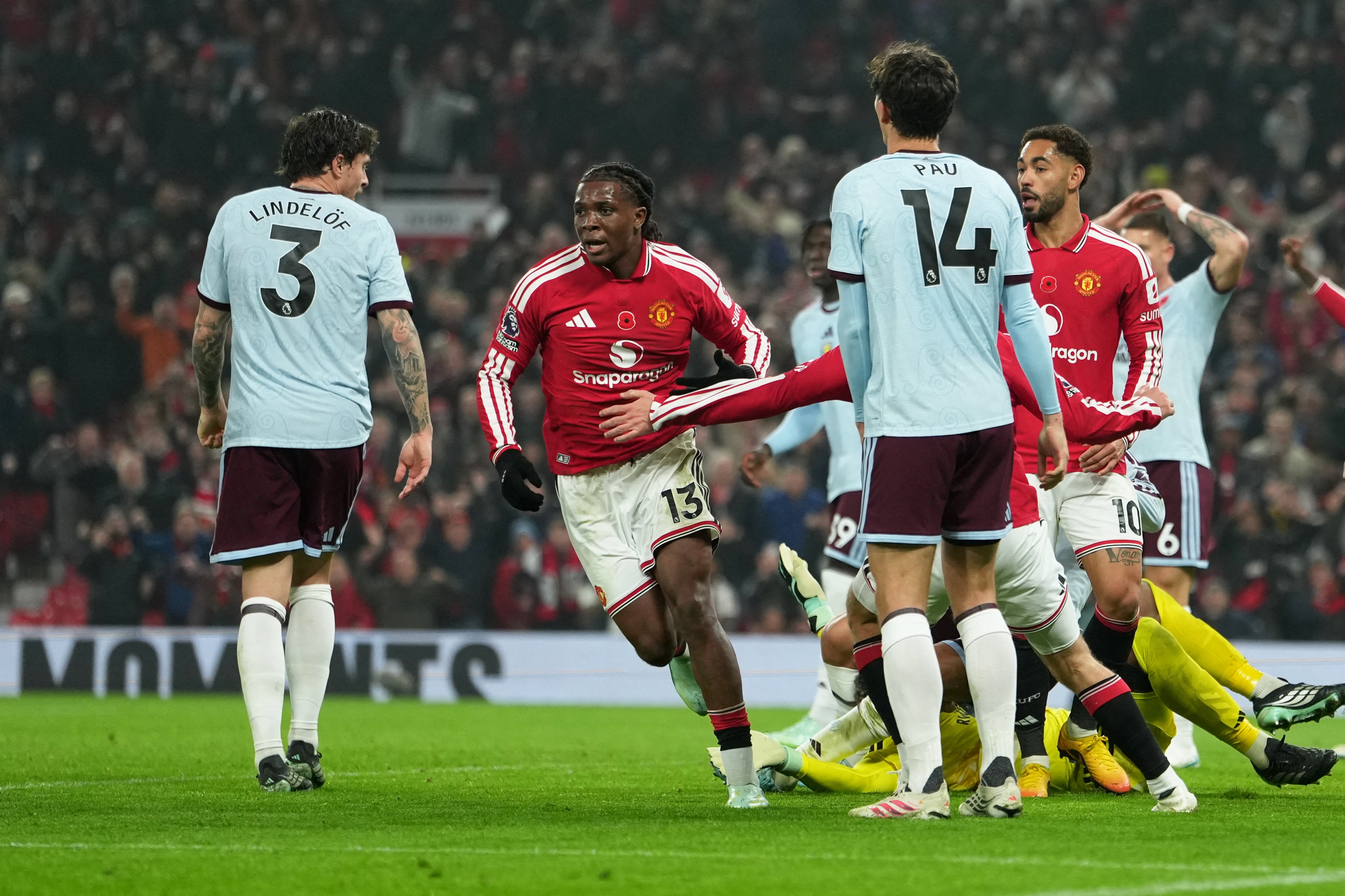
There was unanimous agreement with the decision to allow Manchester United’s equaliser in their 4-4 draw with Aston Villa on November 8 to stand.
Replays indicated United goalkeeper Senne Lammens may have impeded opposite number Zion Suzuki when challenging for the ball, but the panel was satisfied that the contact lacked impact and remained below the threshold for a foul.
The panel was divided over a challenge by Leeds’ Jayden Bogle on Tottenham’s Mathys Tel on November 7. Two members felt referee John Brooks should have shown Bogle a red card and that VAR Tony Harrington ought to have intervened, but three felt that while the contact was clearly reckless, it fell below the threshold for a red card, backing the on-field decision and the non-intervention.
Across the 10 match rounds so far, 223 KMIs have been assessed, with 85 per cent of on-field decisions deemed correct, rising to 97 per cent following VAR intervention.


