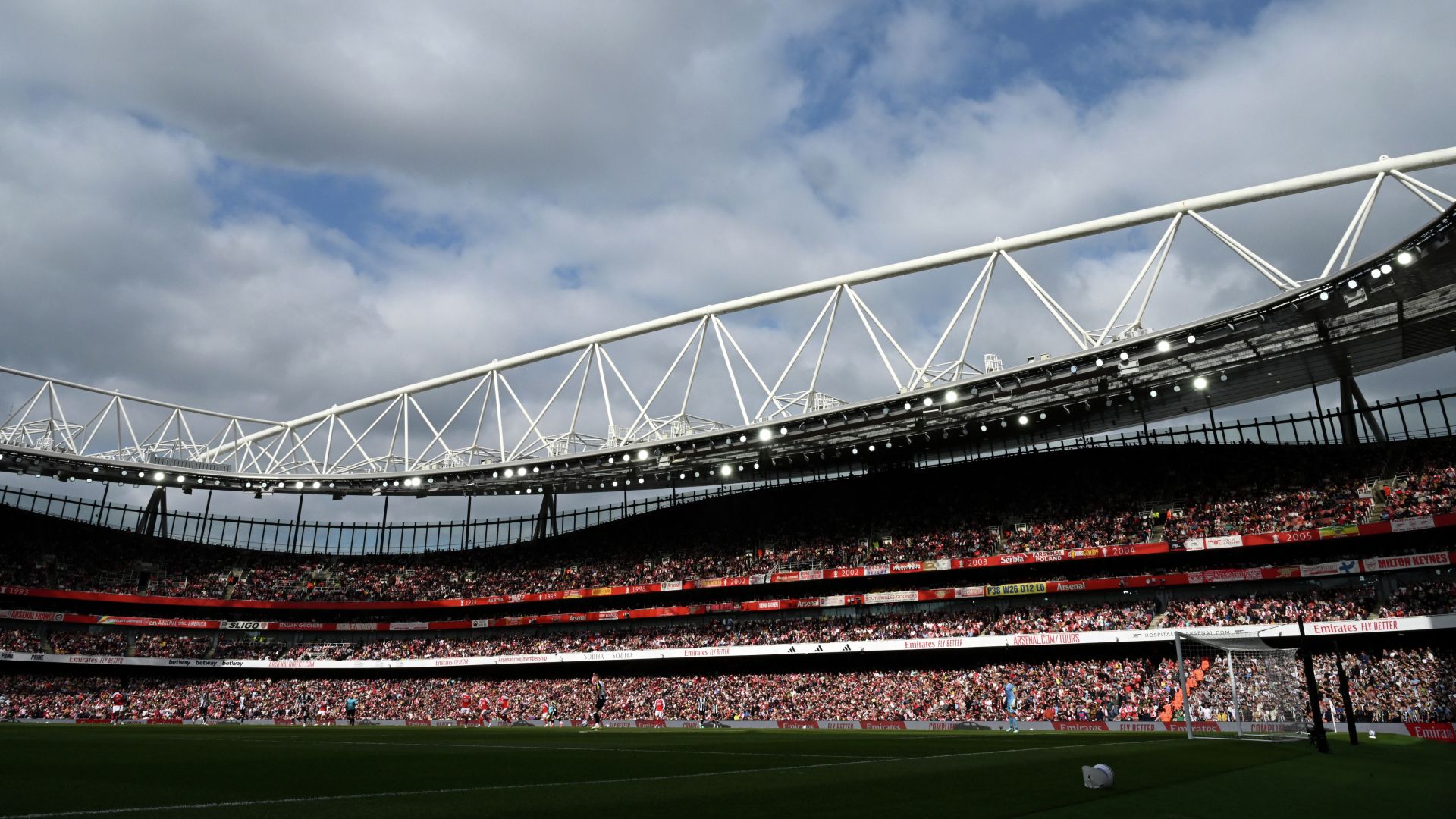

Arsenal rule out major Emirates Stadium expansion despite regular sell-outs as club opt for smaller upgrades
Gunners choose evolution over overhaul
Arsenal have formally decided against pursuing a major expansion of the Emirates Stadium, ending speculation that the north London side might significantly increase their current capacity of 60,704. While the demand for tickets remains at an all-time high, the club's hierarchy has determined that a massive construction project is not the current priority.
To assess the feasibility of such a project, the club established a dedicated working group led by the chief executive, Richard Garlick, in 2024 to examine the possibility of extensive additions to its home stadium. After a thorough review of the logistics and financial implications involved in a large-scale renovation, the decision was made to pivot away from a primary focus on seat volume. Instead, the club will prioritise modernising the existing infrastructure to enhance the commercial and spectator environment.
Arsenal opt for smaller Emirates upgrades
The club communicated this strategy clearly during a recent supporters' meeting, confirming that they would not be moving forward with a transformative "masterplan" for the stadium. Instead, they highlighted a preference for smaller, targeted changes.
Arsenal stated: "We shared a commitment to the continued evolution of Emirates Stadium, rather than a huge-scale masterplan, building on improvement we have made to date in partnership with our catering partner, Legends, the introduction of safe standing (this season in the Clock End, and next season in the North Bank), improving hospitality and retail experiences, and upgrading visitor experiences."
Focusing on the fan experience
By opting for "continued evolution" rather than a massive structural rebuild, Arsenal are concentrating their resources on areas that drive immediate revenue and improve the atmosphere. This includes a heavy focus on hospitality, retail facilities, and the general visitor experience. The club believes that these incremental gains will provide a better return on investment than the disruptive and costly process of adding thousands of new seats to the upper tiers of the stadium.
One of the most visible changes for match-going fans has been the phased introduction of safe standing areas. Having already implemented this in the Clock End this season, the club intends to expand the initiative to the North Bank next term. This approach allows the club to modernise the stadium environment without the extreme engineering challenges that come with raising the roof or extending the stands, both of which would have carried significant financial risks.
Falling behind rivals in capacity
The decision to stay at roughly 60,000 seats means Arsenal will continue to lag behind several of their Premier League rivals in terms of raw capacity. Currently, the Emirates Stadium is currently England’s seventh largest football stadium by capacity, trailing behind Wembley Stadium (90,000), Manchester United’s Old Trafford (74,158), the Tottenham Hotspur Stadium (62,850), West Ham United’s London Stadium (62,500), Manchester City’s Etihad Stadium (61,470), and Liverpool’s newly-expanded Anfield (61,276).
Their local rivals, Tottenham Hotspur, notably bypassed Arsenal’s capacity when they opened their multi-purpose 62,850-seat stadium in 2019. While the Emirates remains a world-class facility, it lacks the same versatility for non-football events like NFL games or major concerts that the newer Spurs stadium was specifically designed to handle.