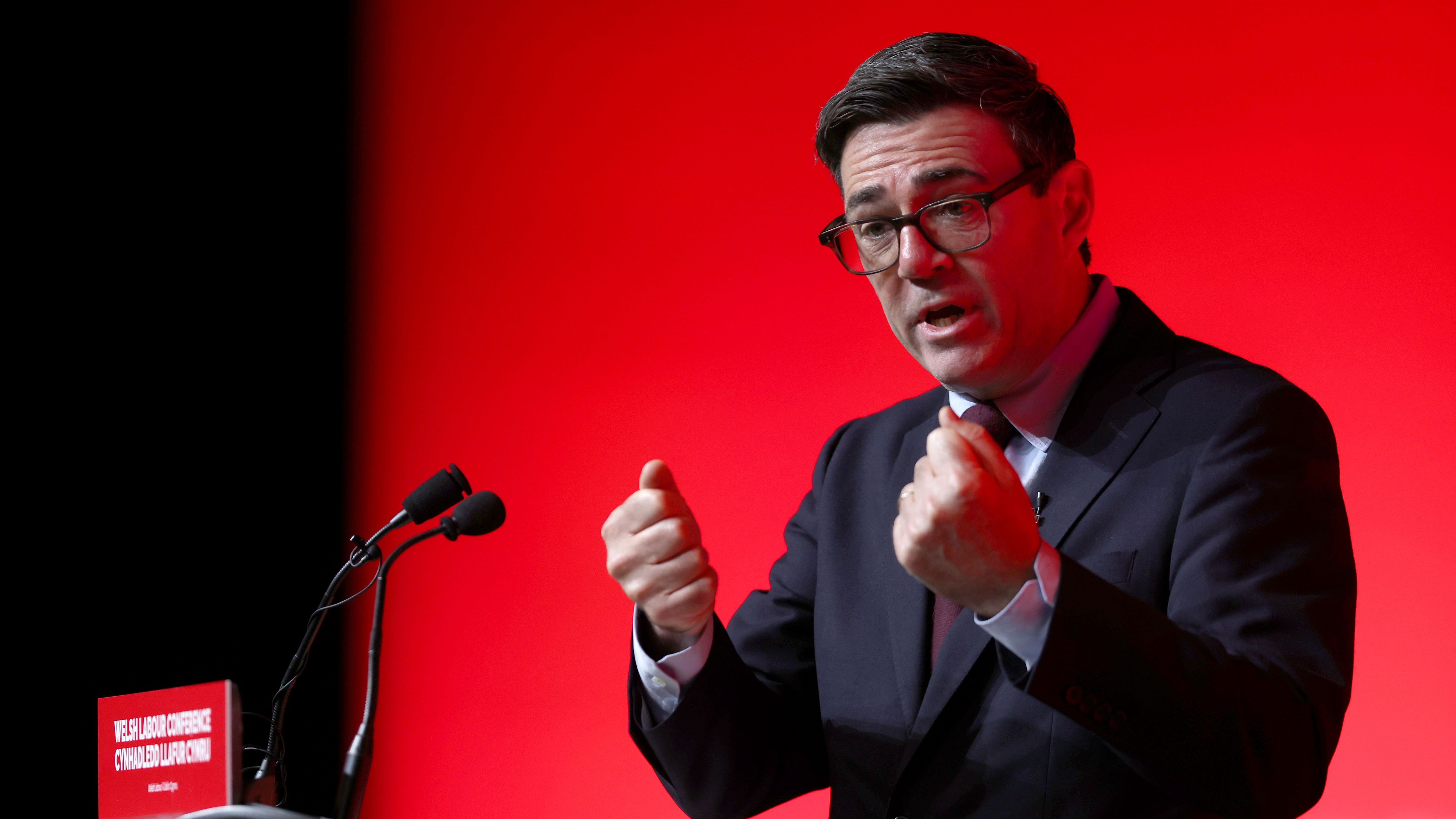

'I would urge a bit of caution on it' - Prime Minister Andy Burnham warns against scrapping Saturday 3pm football blackout to protect lower-league clubs
Prime Minister Andy Burnham has warned against lifting the Saturday 3pm broadcast blackout, arguing that the restriction protects lower-league football clubs. Introduced in the 1960s, the ban prevents live television coverage between 2.45pm and 5.15pm on Saturdays, though it could be dropped from the 2029-30 rights cycle.
Authorities review long-standing broadcast rule
Burnham wants careful thought before lifting the restriction, which applies under UEFA Article 48 whenever at least half of the top two divisions play simultaneously. The rule is currently enforced by the Football Association and Scottish Football Association to safeguard matchday attendances. However, broadcasters have pushed for more live games to maintain revenues, with the current Premier League deal rising from 200 to 270 televised matches.
Leader prioritises club finances first
That commercial trend has seen the SPFL's next rights tender reportedly open the door to streaming every fixture live. Explaining why lower-division teams need safeguarding from wall-to-wall top-flight broadcasts, Burnham said: "I would urge a bit of caution on it [the blackout], because it does protect the income of lower league clubs.
"If you have effectively wall-to-wall Premier League football at any time, it takes away perhaps the incentive to go and watch the football league or non-league. So I think it has to be considered carefully. I'm not going to take the pure consumer view here. I'll take the health of football approach to this particular issue.
"I would first of all want to protect the football pyramid before I agree to saying 'let's have even more live football.' I think it's about protecting the experience with the paying supporter, protecting the football pyramid. Those issues matter to me, first of all."
League chief eyes future review
Addressing whether broadcasters also need to be more mindful of fixture changes for live television, Burnham criticised the strain placed on away fans: "It doesn't give any regard, actually, as far as I can see, to travelling supporters. Monday night games, you know, people in the north-east coming to the north-west, it's not fair, the way that is done, or very early kick-offs on Saturday, very difficult for people to get there. So on that, I agree [with the need to be more mindful]."
Meanwhile, Premier League chief executive Richard Masters told talkSPORT in August that English football was leaning towards keeping the ban, stating: "It's not just us involved in the decision about article 48. It's us, the EFL and the FA. We've got to take that decision at some point in the future about whether things are going to change.
"It's not a decision for now. It's a decision we've got to make before the next set of domestic processes that the EFL and the Premier League are going to do. I'd say in about 18 months time we'll come back to that decision about whether article 48 should remain or not."
Rights negotiations shape coming years
The Premier League, EFL and SPFL will not settle the question immediately, leaving supporters and clubs waiting ahead of the 2029-30 cycle. With Masters indicating a formal review in roughly 18 months, pressure from broadcasters will collide with fan groups and lower-tier stakeholders. How governing bodies balance television revenue against matchday attendance will define domestic football's next era.