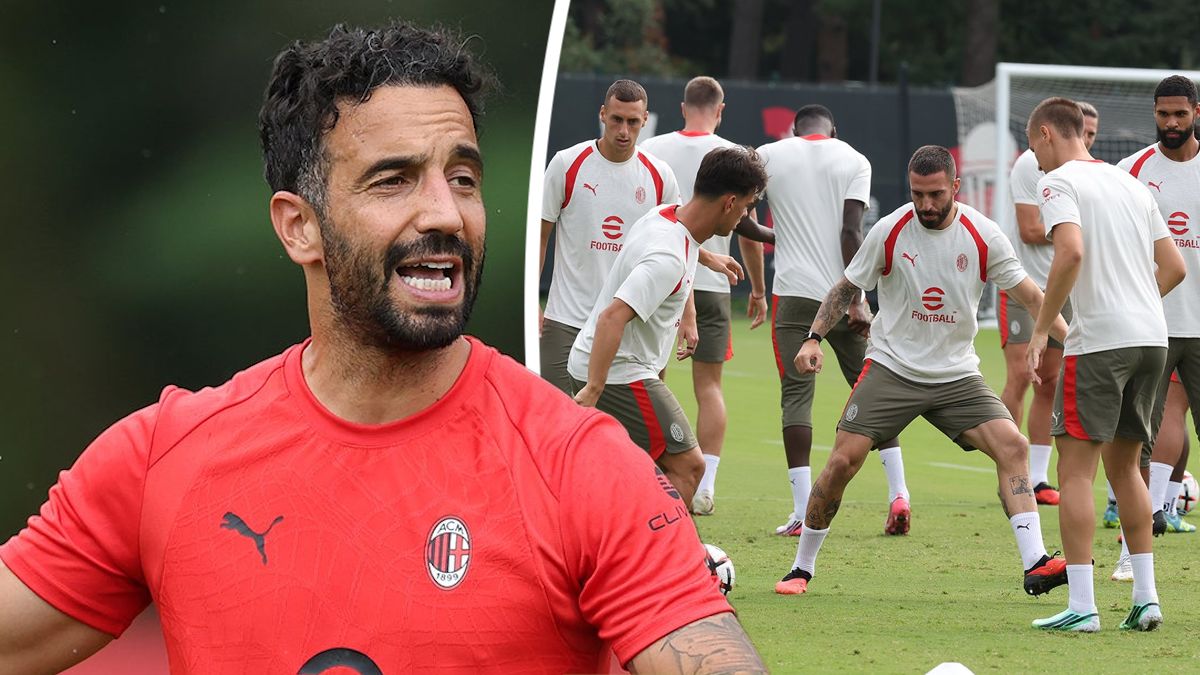

GdS: Week-long breaks and lighter sessions – Amorim bringing ‘international culture’ to Milanello
By: Oliver Fisher
Ruben Amorim’s decisions when it comes to training have once again come under the microscope after the win over Genoa.
La Gazzetta dello Sport report that Amorim’s closing message to the players after the victory at the Marassi was music to their ears: ‘See you next Monday’. Until early next week, Milanello will remain closed, leaving the players free to recover from the early season grind.
Who knows if things might have been different had the trip to Genoa had gone differently, but the victory that put Milan back in the Champions League spot is worth the reward of a full seven days off. in the eyes of the coach.
An oddity: Serie A teams usually have a break during the international break, but not this long. It’s also worth noting that Milan’s 13 internationals are currently busy traveling around Europe and the world, while the injured players will also continue to follow their respective recovery programs.
Amorim’s intriguing methods
As a reminder, Amorim gave those who were not called up by their national teams eight days off for the last international break. However, if must be remembered that it was an extended three-week one, so there was more runway before games resumed.
The extended break is not the first change introduced by Amorim and his staff. For example, the Tuesday rest granted to the team on the eve of the European trip to Bournemouth. The Rossoneri returned to the pitch on Wednesday, the same day they left for England.
This is an unusual approach compared to the traditional post-match rest schedule or a maximum of three or four days of rest during league breaks. Amorim’s training methods are also new, exemplifying the ‘international culture’ the coach seeks to instil at Milanello.
On the pitch, the sessions are never too hard or tiring. The Portuguese coach himself explained the thinking behind it, emphasising that among the many matches scheduled, the tactics and movements were essentially practiced in-game due to the limited time available between matches.
The concept of over-working players in training amidst a demanding fixture list was thought to be the cause of the many Milan injuries suffered during similar periods. Amorim has sought to rectify it, but then the list of absences for the Genoa game was long, so it all remains a work in progress.