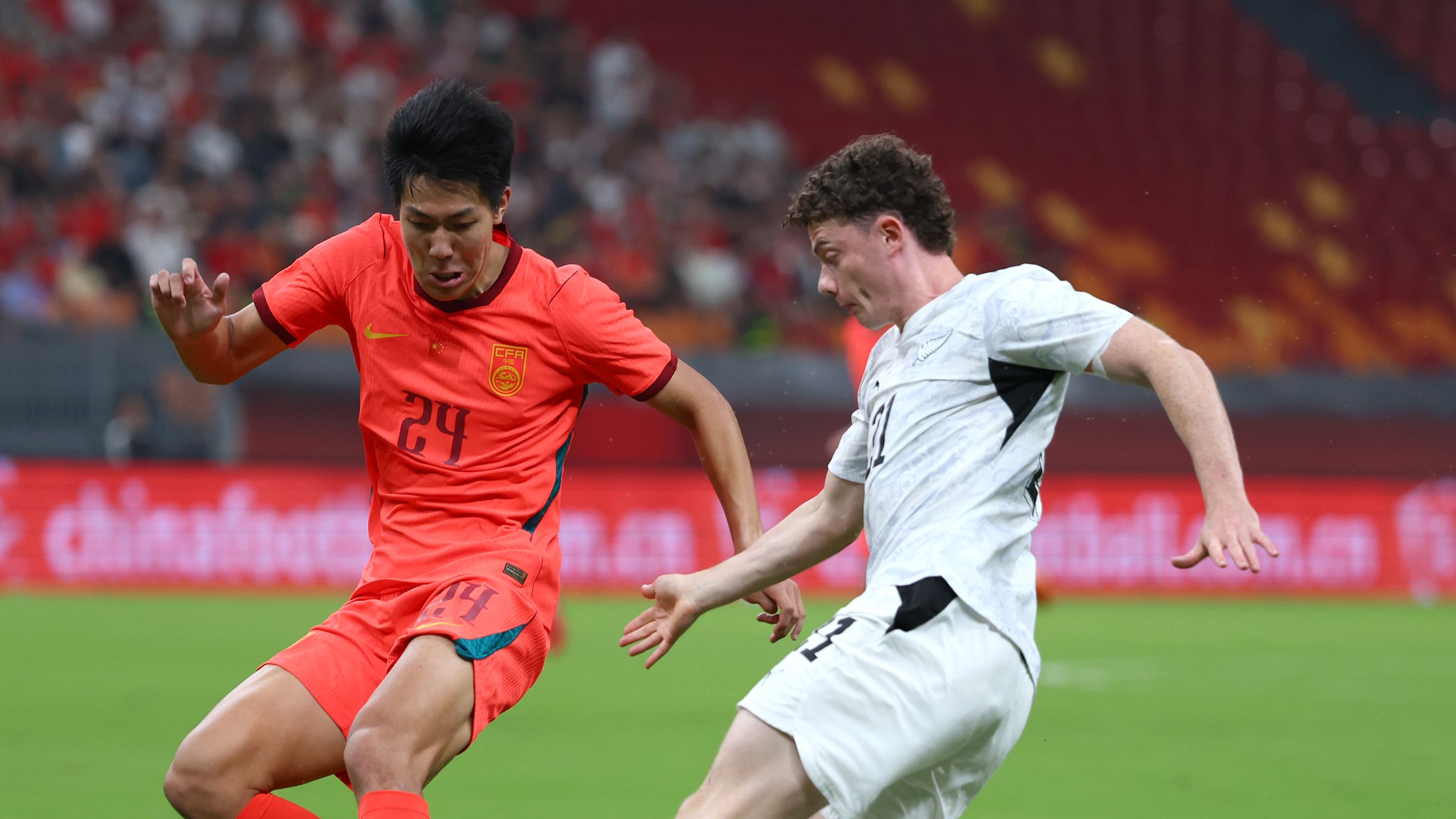

Cover your bodies! China takes strict measures ahead of the Arab clash
The Chinese authorities have returned to a stricter enforcement of the restrictions imposed on visible tattoos among players of the national football team, after the strictness of these measures had eased over the past years. Players are once again required to conceal their tattoos when wearing the national team shirt, in a move that comes alongside a decline in the team's results and mounting pressure on Chinese football.
According to a report by the French newspaper "L'Equipe", several of China's national team players were forced to wear skin-coloured sleeves to hide their tattoos during the friendly against Tajikistan on 6 October, a match China lost 1-0.
The timing could hardly be worse. China are going through a rough patch, having shipped two heavy defeats, 3-0 to New Zealand and 5-0 to Palestine, before the loss to Tajikistan.
Those results dragged the national team down to 96th in the FIFA world rankings.
The report quoted William Bi, a Beijing-based journalist and analyst, who believes the recent slump may have angered officials higher up and prompted the tougher reimposition of the rules. Tattoos, after all, are still seen in some official circles as a sign of Western influence and what those circles describe as "decadence".
History of the restrictions
None of this is new to Chinese football. Authorities first began clamping down on national team players' tattoos during the 2018-2019 season, ordering them covered during matches and media appearances.
Enforcement eased off from 2020 onwards.
Read also:
An angry Casillas withdraws his two sons from Real Madrid.
Barcelona respond to Real Madrid's deal by moving for Germany's jewel.
In December 2021, the General Administration of Sport of China issued stricter directives to regulate the status of footballers, banning players of the first team and the under-23 side from getting new tattoos.
Players with existing tattoos had to remove them or cover them during training and matches, with exceptions only where the relevant body granted approval.
The clampdown reached the under-20s and the younger sides too, barring any player with a tattoo from a call-up.
Officials justified the measures as a way to present a positive image of footballers, turn them into role models and strengthen the players' national upbringing.
Here lies the paradox. The same rules don't apply to club players, who can still show their tattoos during Chinese league matches yet must hide them the moment they pull on the national shirt.
Expect the issue to flare up again during China's next two friendlies, against Malaysia on 14 November and Bahrain on the 17th of the same month, with plenty of attention on whether the players toe the new line as the national team gears up for the challenges ahead.