The views and opinions expressed in this article are those of the author and do not necessarily reflect the official editorial policy or position of LiveScore.
Manchester United’s identity crisis feels almost existential. A club built on the instincts, sharpness and audacity of Sir Alex Ferguson, a club that has now, in the post-Sir-Alex era chased a ghost of Pep Guardiola’s footballing perfection. There is a clear BC/AD moment at Manchester United, and the club hierarchy has been chasing a ghost. From fleeting flirtations with possession play (which at times felt like backward football), to playing it out from the back in a disastrous spell, to the most recent ill-fated Ruben Amorim era, United’s relentless obsession with a Guardiola-esque identity has obscured the club’s traditions until Michael Carrick’s first match in charge as interim coach.
A Club Without Its Own Style
During the Manchester Derby on Saturday, the camera crew could not help but zoom in on Sir Alex’s face. Often throughout the years, this has been a picture of pure misery. United fans couldn’t help but feel sorry and frankly, embarrassed at times for their Godfather, but finally, at long last, they saw a familiar smile. Beating their “noisy neighbours” as he dubbed them, and doing so in such a familiar Manchester United fashion felt good for the fans. No nonsense, sharp in attack with quick transitions, and not coming from the team with more possession. After all, what is the point of possession if you are walking, playing sideways and backwards and never coming close to finding the net? It’s a simple game, isn’t it really? And that’s what Sir Alex Ferguson was all about.
For much of its history, Manchester United purred along with its own identity and style. Waves of attacking width, ruthlessly efficient counterattacks, perfection in direct set pieces (cc. David Beckham) and a willingness to take risks at Old Trafford, sometimes seemingly for the sake of pure entertainment. These factors combined made Old Trafford a ground even Europe’s elite teams feared to visit. It was raw, frantic at times and unpredictable. The Old Trafford of today almost encourages opposition wingers to fly forward. There is no fear factor and any team could go there in search of three points, not hoping for one. The leaks, apparent in the roof, seemed to be a symbolic note of the team’s leaky defence, often conceding soon after attempting to play it out from the back, imitating Guardiola’s perfection.
So many managers came and went in search of the United way, and so many failed. They wanted to play football in the modern way, but why move away from something you already had? If it ain’t broke, don’t fix it.
Manchester City Define The Modern Way
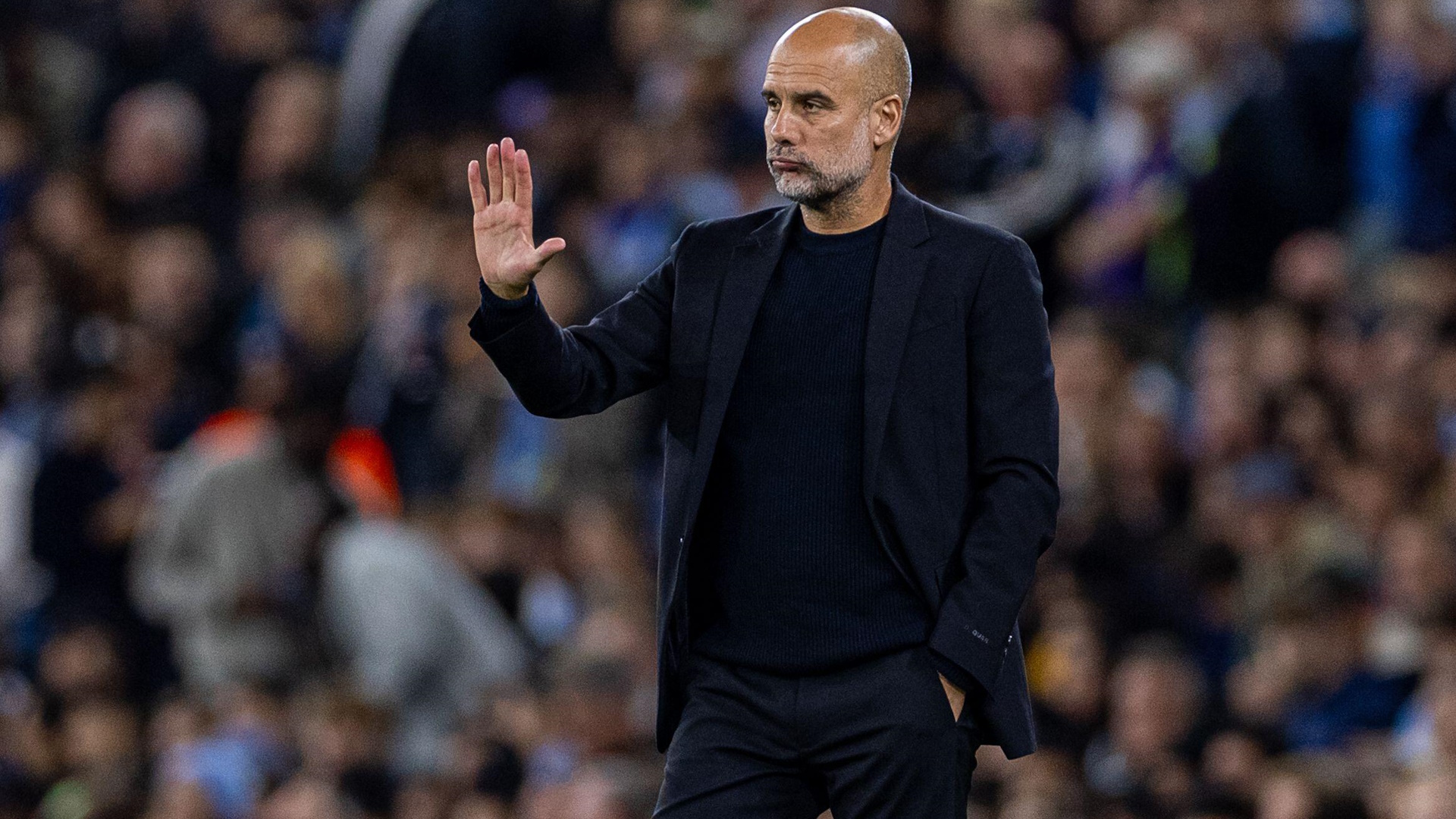
Of course, you know this part. Across the city, Pep Guardiola redefined and reshaped Premier League football in breathtaking fashion. The Blue Moon was the North Star as they rolled teams over with dominant possession, quick ball recycling and a systematic press. Their offensive balance was incredible, landing 18 trophies during Guardiola’s reign (and counting), including a famous Treble in 2023, eclipsing their foes.
And here lies Manchester United’s biggest problem. Some footballing directors felt that closing the gap meant emulating City’s style and methodology. This obsession crept into everything the club did, influencing managerial appointments, transfers and tactical expectations. Many brilliant footballers couldn’t cope and seemed to thrive and excel away from Old Trafford, once sold. The team became less about United’s own strength and more about being Guardiola-like. It feels almost fraudulent. It’s definitely sad. Yes, Guardiola can be considered a genius, but he is also backed heavily. January signings emerge right after key injuries. Each summer, huge signings are brought in to fit his style. It’s ruthless, quick and highly reactive.
Tiki-Taka Desire Meets English Reality
Guardiola’s sustained long-term success stems back to his roots at Barcelona, as a player as well as a manager. He is honed by a club built by Johan Cryuff - the tactical god of total football. He is a disciple, the next messiah for that wonderful style of play.
Short passing, high presses, possession play and territorial control define his Tiki Taka, who brought in verticality to the structure. Ball ownership = control. “If you have the ball, it is impossible for the other team to score,” to quote the master Cruyff. Possession is the ultimate defence.
Amorim Arrives: High Possession, Low Returns.
This obsession bled into the Premier League, and Manchester United wanted in. New signings were possession-capable players, and the climax was Ruben Amorim. A man so stubborn we only saw him change style once - during the narrow 1-0 win over Newcastle (ironically United’s last victory before his sacking, and Carrick’s first immediate win). His system needed a squad of possession lovers, and he wanted to overhaul the entire team. He couldn’t, as that is financially impossible, so United were left with a team that could do a tiny bit of everything, and nothing well. It’s like dining in a restaurant that serves all kinds of food, from gourmet burgers to lavish caviar dishes. Sticking to one with fewer choices guarantees quality and expertise. The tactical experiments continued. When Manchester United appointed Ruben Amorim, they hand-picked him with a plan. He had just dominated the Portuguese Liga with Sporting Lisbon in a very short amount of time. He did so his way. They picked him to play that way and claim it as their identity. His mission was to convert Manchester United, as ordered from above. At Sporting his team played with a three at the back and emphasised possession play through fluid rotations and aggressive pressing.
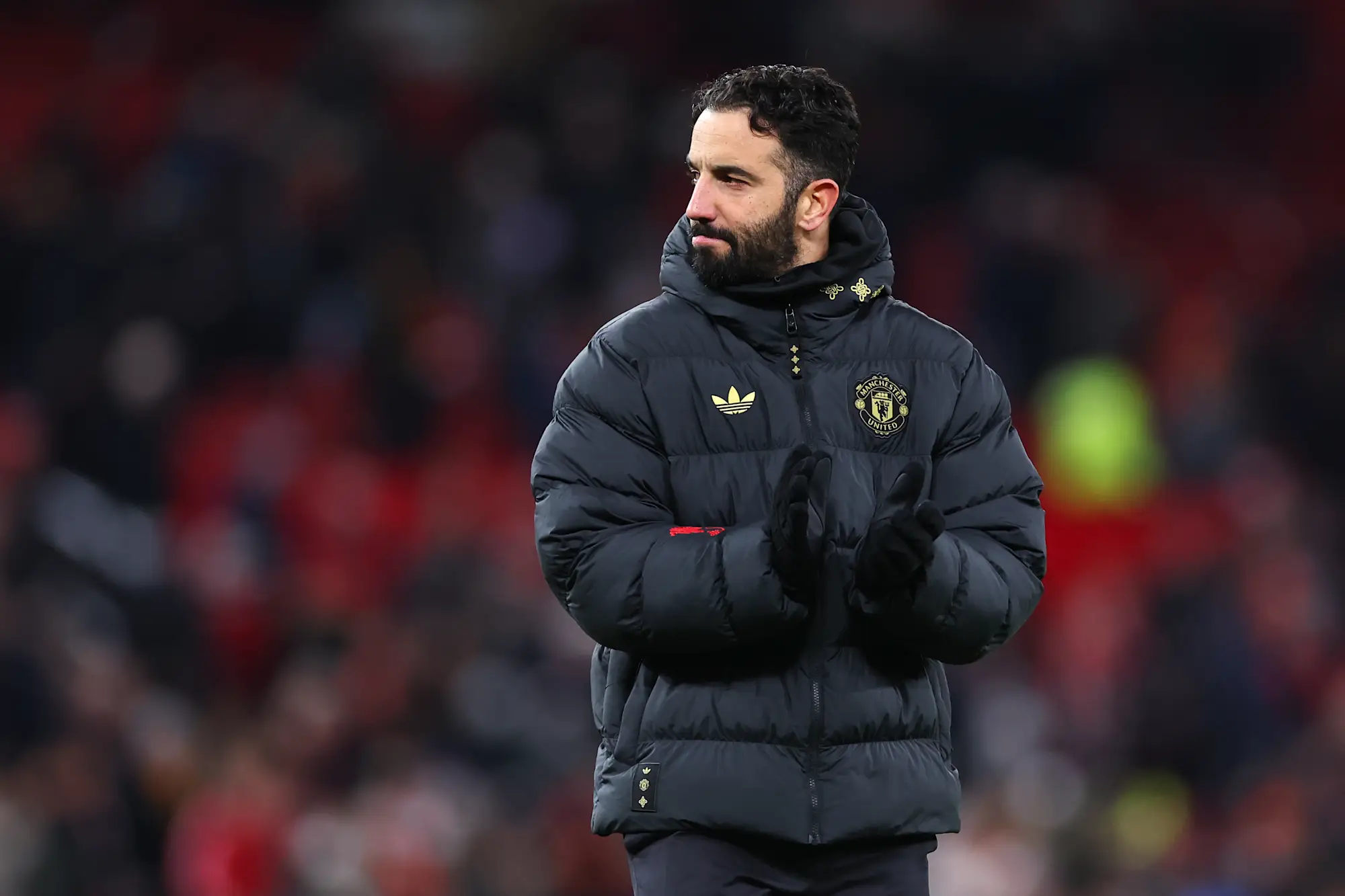
His media days were a field day for any journalist. Extremely friendly, open and honest. He was likeable, but very stubborn. “No one. Not even the Pope will change (sic my style),” he famously told reporters after a torrid run of results. A live by the sword, die by the sword approach, which saw him fall onto it eventually.
The alarming thing is that with a little flexibility and less ego, Amorim could have been a hit. Looking back to two defining moments, the Europa League final defeat to Spurs, and Manchester United’s infamous league defeat at home to 10-man Everton, blame falls squarely on the shoulders of the manager. During the Europa League final, United’s only shot at a trophy, he refused to play Alejandro Garnacho, who was United’s most productive player in the competition. Their feud defined the defeat. He only brought him on for the final 10 minutes, with little time to make an impact. Tactical rigidity meets mental stubbornness. Win the match, that is your one and only job. The Everton match was even more embarrassing. Reduced to 10 men by their own doing, Everton somehow left Old Trafford with three points, even despite numerical inferiority, as Amorim’s style was too predictable, with the Reds walking, at times sideways, looking lost.
Amorim’s aim was possession-oriented, but not quite in Guardiola’s sense. His Sporting team mixed deep build-up play with vertical passing and a high press to recover the ball high up the pitch, which United never managed. As Sporting used the inside channels to feed the ball into the forwards, United looked on in hope that he would bring it to Old Trafford too. In theory, his playbook aligned with the hierarchy’s priority.
Possession Without Penetration or Control
Yet, at United, this system never quite took hold. Results were patchy to terrible, cohesion was fragile, and their tactical identity was still unclear. His own insistence on his style grew frustrating, promising never to shift style, even after heavy, embarrassing defeats. Fans grew fed up with this, once again… your job is to win matches, and bring joy to millions. There seemed to have been a disillusionment between what could work and what should work, and frustration mounted.
Carrick’s Return, and a Return to a United Identity
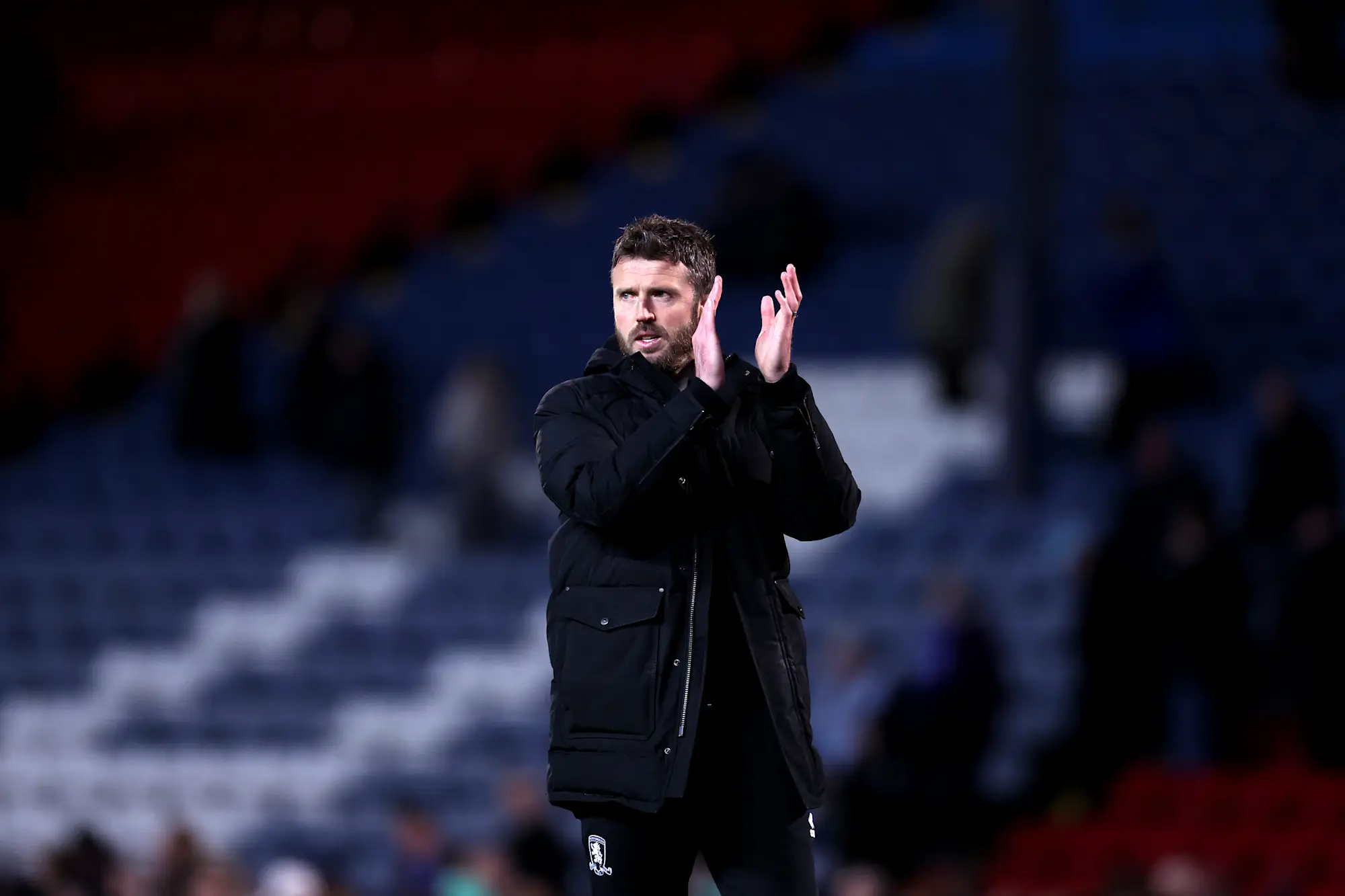
On Saturday, under interim coach Michael Carrick, United beat Manchester City 2-0 at Old Trafford, in a result that feels symbolic. It was not carved out of possession play, or a high press. It came about because of a clear purpose and attacking clarity. United were disciplined, dynamic in transition and tactically sharp enough to disturb City’s rhythm. Players like Lisandro Martinez thrived, himself praising Carrick’s deep understanding of club values in his post-match interview, contrasting it with the previous reign of confusion.
In this match, United even rubbed salt into Guardiola’s wound by playing Tiki-Taka style right under Pep’s nose, before launching another quick attack. United hit the woodwork twice and scored five goals in the afternoon, with three of them narrowly chalked off for offside calls.
Carrick’s approach leaned on United’s values. Compact defence, opportunistic attacks and purposeful transitions. It was not a match with a team trying to enforce a style of play that simply never fit. It was raw, fast and frightening. It was United. Sir Alex Ferguson’s Manchester United, and the home crowd loved every second.
Coming soon to Old Trafford: Identity Without Imitation
This Carrick era might end up being short and transitional (which sounds familiar), but it needs to build a template from the club’s heritage, not another (rival’s) manager’s blueprint. United must use their style, respect the Premier League’s incredible demands, and integrate possession play without being possession-for-possession’s sake. The players spoke up during the Manchester Derby victory; the talent is there. The pieces of the puzzle are all there, and Carrick is now there to piece it all together.
Casemiro excelled, Bruno thrived, Amad ran, and Kobbie was free at last. It’s not that difficult, it seems! Ultimately, United’s fixation on this modern football brought to the Premier League by Guardiola was understandable but misguided. Looking inwards is the key here, respecting the blueprints which made this team the most successful British team ever for a long while.
United’s future lies not in chasing shadows, but in re-forging a style that accepts possession when useful, attacks with purpose, and honours the club’s instinctive spirit, something that Carrick’s side, for one afternoon at least, reminded fans that it still exists and wants to be unboxed.