
After losing Rodri: Real Madrid commit the biggest transfer window blunders
What is it?
Manchester City and Barcelona have struck a final agreement over the transfer of Spanish midfielder Rodrigo Hernández to the Catalan club. The deal followed weeks of negotiations and three separate offers, with an official announcement expected in the coming hours.
According to Spanish radio station "Cadena SER", the agreement hands Barcelona one of the most sought-after players on the market. Real Madrid, meanwhile, find themselves in the grip of a fresh midfield crisis, having failed to close the Rodri deal and made no move towards an alternative capable of filling the same role.
That stance has drawn criticism across the Spanish media. Los Blancos need a player who can control the tempo and move the ball smoothly, jobs analysts believe Rodri could have carried out with a direct impact on the team's attacking transitions.
Speaking on the programme "Carrusel Deportivo", journalist Bruno Alemany said he could not understand why Real Madrid had not moved to strengthen midfield despite knowing how important the position was. He added that Bernardo Silva had performed well in the recent friendlies, but "cannot make up for all the roles that Rodri performs".
The club's approach, Alemany argued, repeats previous errors in sporting planning. Failing to hunt for an alternative after the collapse of the Rodri deal is "completely illogical", he said, especially as Real Madrid had been chasing a top-class midfielder.
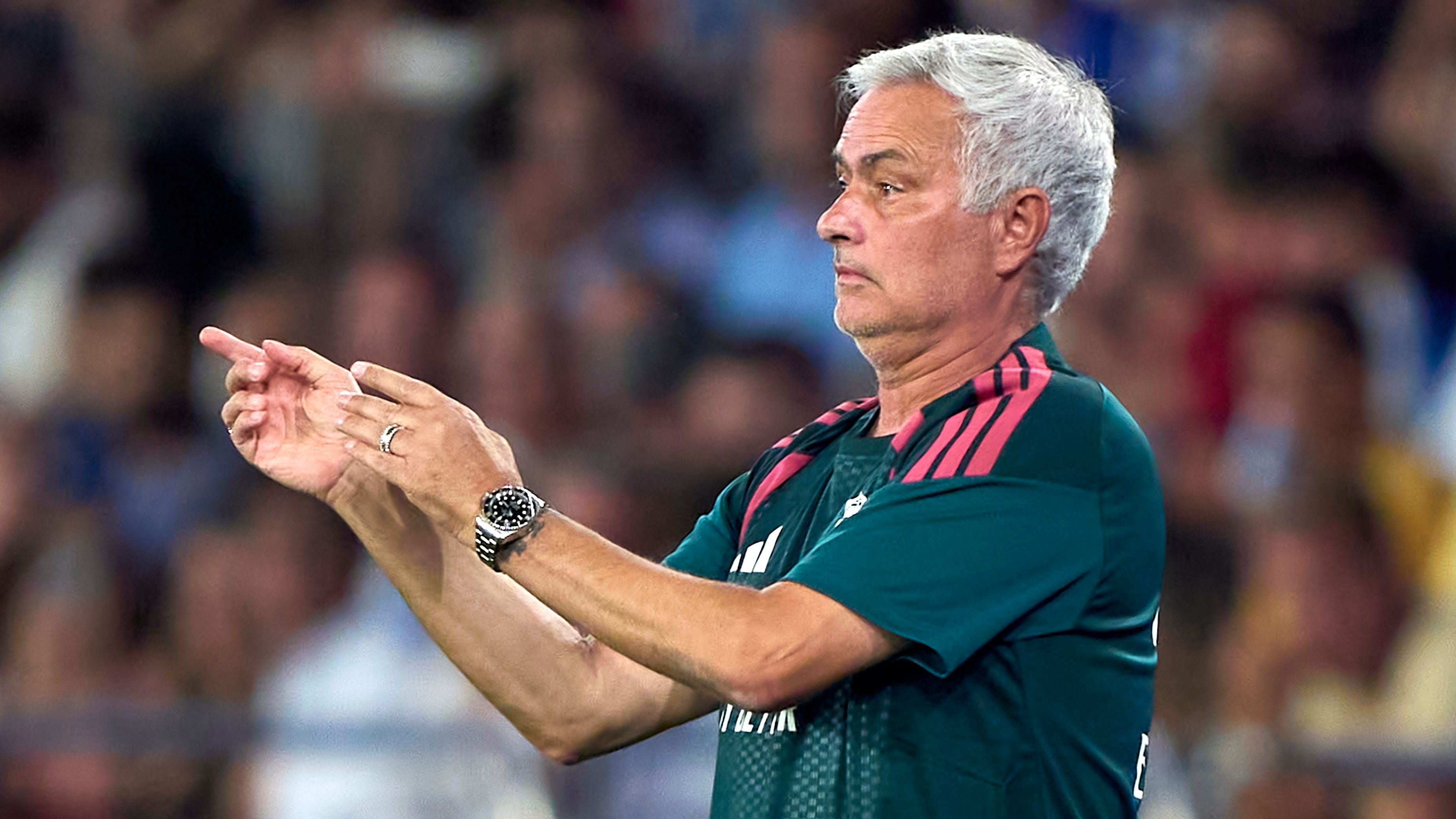
Journalist Tomás Roncero took a similar line. He suggested manager José Mourinho would lean on Bernardo Silva to paper over the midfield problems, but ruled out Rodri being the only option the coach had asked for, insisting the reasons behind the club's inaction remain unclear.
For now, Real Madrid show no sign of planning a new midfield signing. Names who could do the job are out there, chief among them Martín Zubimendi, one of Rodri's natural successors in the Spanish national team. The club, though, appear intent on pouring their energy into strengthening the attack.
Roncero rates Real Madrid's attacking line as one of the strongest in Europe. Firepower alone may not settle the fight for the biggest titles, however, and journalist Marcos López warned against repeating the fate of the French national team, who boasted a fearsome attack at the World Cup yet came unstuck against Spanish control.
The equation facing Real Madrid as the new season nears is stark. A formidable attacking arsenal on one side, on the other the absence of a player who can give midfield the brains and balance to link the lines and dictate the tempo.