
Netherlands vs Germany: Classic match - Dutch delight in Hamburg as Van Basten settles the mother of all semi-finals
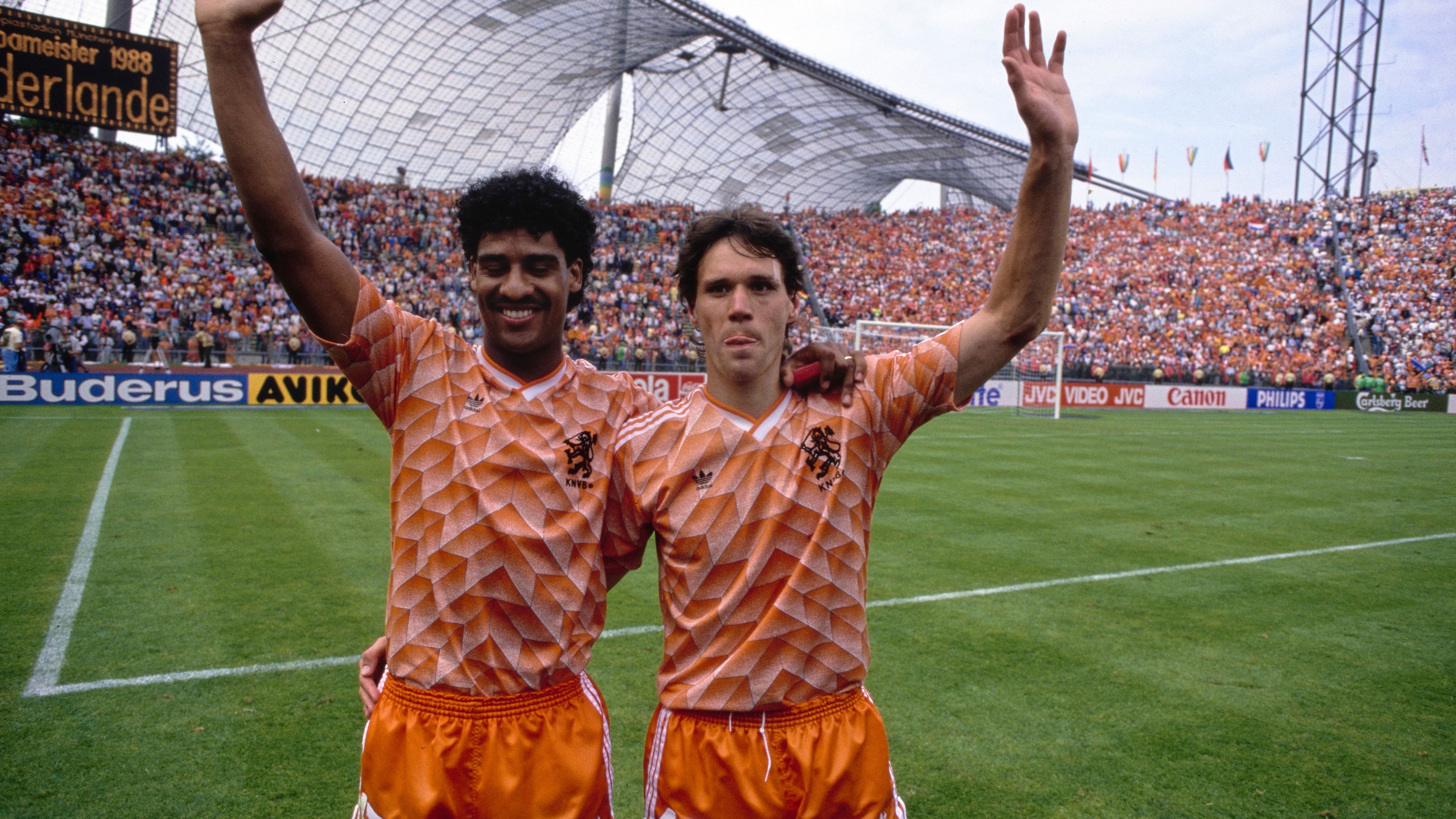
Relive the historic night in Hamburg where the Netherlands finally stepped out of the shadow of 1974. A dramatic late strike from Marco van Basten secured a famous 2-1 victory over West Germany to seal a place in the Euro 1988 final.
There are matches that occupy the ledger of history, and then there are matches that define the soul of a nation. For the Netherlands, the semi-final of the 1988 European Championship against West Germany was the latter. It was never just about a place in the final; it was about exorcising the ghosts of the 1974 World Cup final, the poetically named "Mother of All Defeats." On a humid evening in Hamburg, the air at the Volksparkstadion was thick with more than just the scent of midsummer grass. It was heavy with the weight of fourteen years of bitterness, a rivalry rooted in the scars of a continent and the relentless pursuit of sporting retribution.
The weight of history in Hamburg
To understand the atmosphere in 1988, one had to feel the tension that radiated from the Dutch contingent. The wounds of 1974 had never truly healed; they had merely festered under the clinical efficiency of German success. West Germany, the hosts, were the immovable object, led by the indomitable Lothar Matthäus and guided by the tactical pragmatism of Franz Beckenbauer. Rinus Michels, the architect of Total Football, returned to the Dutch dugout with a new generation—Gullit, Rijkaard, and Van Basten—who carried not just the tactical instructions of their coach, but the emotional baggage of their parents. The crowd of 61,330 was a sea of white and orange, a volatile mix of hope and historic angst.
The first half was a cagey affair, a tactical chess match played at a suffocating intensity. The Germans were disciplined, closing down the creative avenues of Ruud Gullit and ensuring that the young Marco van Basten remained largely peripheral. Every tackle was met with a roar, every misplaced pass with a collective intake of breath. The Dutch were technically proficient, but there was a lingering fear that history was destined to repeat itself. As the players retreated at half-time with the scoreline blank, the ghost of Gerd Müller seemed to hover over the pitch, a reminder that against Germany, playing well was rarely enough to ensure victory.
A tale of two penalties
The deadlock was broken in the 55th minute, and it felt like the familiar script was being written once more. Jürgen Kohler went down in the box under a challenge from Frank Rijkaard, and the Romanian referee Ioan Igna pointed to the spot. Lothar Matthäus, the embodiment of German composure, stepped up and struck the ball past Hans van Breukelen. The Volksparkstadion erupted, and for a moment, the Dutch players looked like men who had seen this film before. The orange flame flickered, threatened by the cold reality of another German triumph on the grandest stage. But this was a different Netherlands, one forged with a streak of stubbornness that complimented their aesthetic brilliance.
Retribution arrived in the 74th minute via the same method. Marco van Basten, starting to find his range, was adjudged to have been fouled by Kohler in the German area. Ronald Koeman, a man with ice in his veins and thunder in his right boot, stepped forward. With a calmness that belied the roaring stadium, Koeman dispatched the penalty to make it 1-1. The momentum shifted visibly. The Dutch were no longer playing against the Germans; they were playing against time and destiny. Koeman’s goal acted as a catalyst, releasing the inhibitions of a team that finally believed the invincible could be bested.
Van Basten slides into legend
As the match ticked towards extra time, the tension reached a breaking point. Then, in the 88th minute, a moment of pure, unadulterated predatory instinct settled the argument. Jan Wouters threaded a hopeful, sliding pass into the path of Marco van Basten. The striker, pursued by the sliding Kohler, stretched every sinew to reach the ball. In one fluid motion, he hooked a low shot across Eike Immel and into the far corner of the net. The Dutch end of the stadium descended into a delirium that was fourteen years in the making. Van Basten had not just scored a goal; he had authored a liberation.
The final whistle confirmed a 2-1 victory for the Netherlands, sparking celebrations that transformed the canals of Amsterdam into a carnival. The post-match scenes were as legendary as the game itself, with Ronald Koeman infamously swapping shirts with Olaf Thon to perform a gesture of mockery that would live in infamy. Rinus Michels famously remarked that while they won the tournament by beating the Soviet Union in the final, the semi-final was the "real final." It remains the definitive night of Dutch footballing history, the moment the orange shirts finally emerged from the long, dark shadow of their neighbours to claim their place in the sun.