


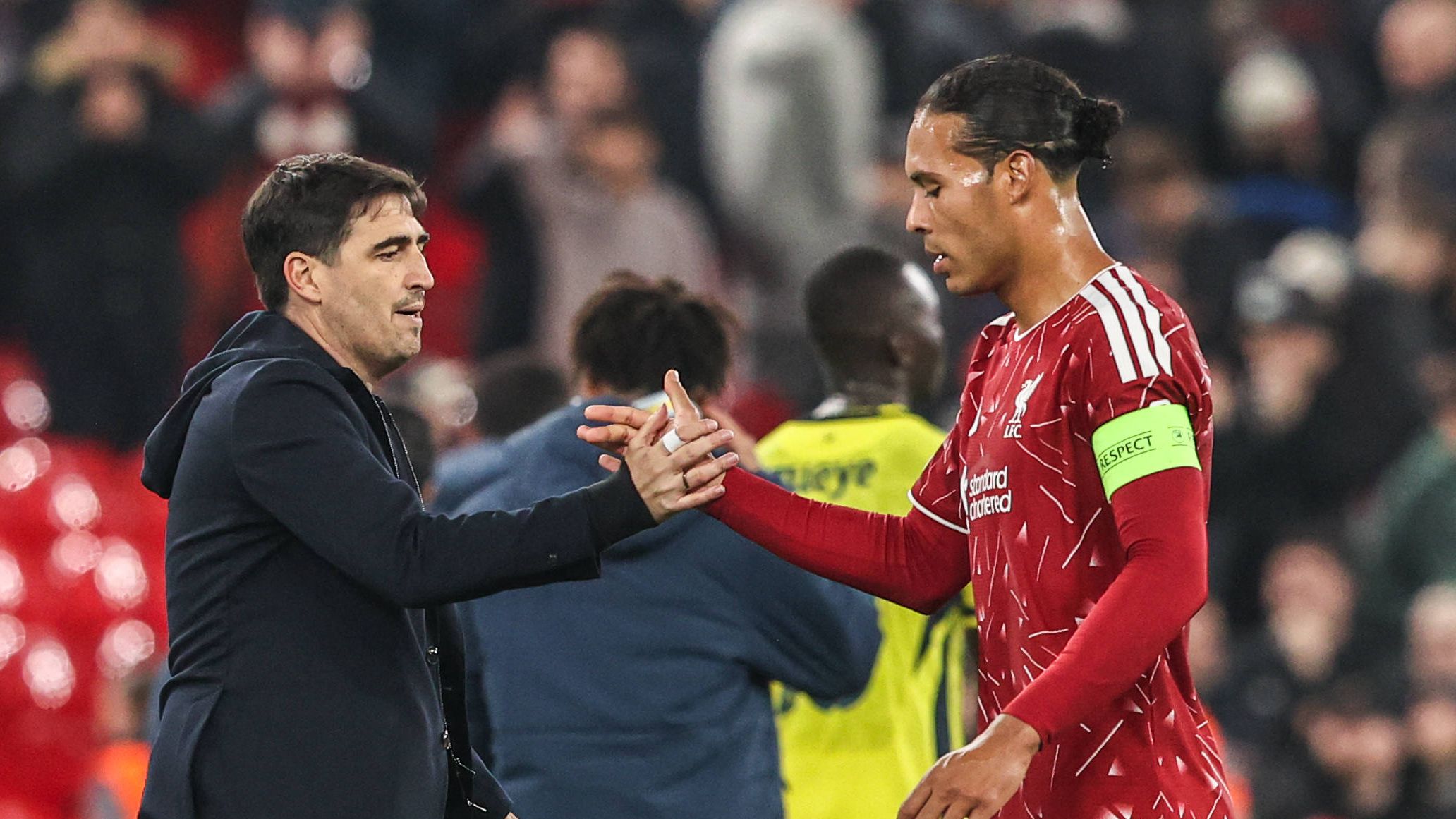

'Take that risk!' - Virgil van Dijk explains how Liverpool are embracing Andoni Iraola’s 'chaos' tactics ahead of Arsenal clash
Liverpool captain Virgil van Dijk has opened up on the tactical evolution taking place at Anfield, urging his team-mates to fully commit to Andoni Iraola’s high-risk, high-reward philosophy. The Dutch defender believes the squad is growing in confidence as they move away from the patient style of the previous regime toward a more aggressive, pressing identity.
Embracing the new Anfield identity
The arrival of Iraola has sparked a significant tactical shift on Merseyside, with Liverpool returning to a relentless, high-pressing system. This aggressive transition is already bearing fruit, highlighted by a recent Carabao Cup shootout triumph over Chelsea to secure their fifth consecutive victory.
Adapting to this philosophy is pushing players outside their comfort zones. Individuals are tasked with making crucial split-second decisions that can leave the team exposed. For instance, Van Dijk frequently advances deep into the opposition half to apply pressure, while right-back Ronald Araujo routinely tucks inside to stifle threats.
While this adventurous setup invites chaos, the squad’s belief in the Basque manager’s methods is growing.
'You have to go all-in'
Operating with such an aggressive line requires immense concentration. "I think against every team it's a challenge because when teams know that we want to win the ball high they try to drag you into difficult spaces and you have to read the game," Van Dijk explained.
He highlighted how former team-mate Jordan Henderson previously attempted to exploit this exact system by dragging defenders out of position. "For example, Hendo dropped deep trying to pull one of us out to leave a space in behind so you have to then think about are you going or not? So it's just reading the game as well," he continued. "But especially here, at the start, you have to go all-in and take that risk. If you win the ball high, you see the crowd coming up as well, and it just brings that energy that will help throughout the whole 90 minutes.
"It's just a trend now that everyone just goes one-v-one and then you just have to think about what you're going to do. Are you going to go direct and play the second ball or you're going to try go through them? That's the risk-reward you have to take."
Ultimately, he believes the onus falls on the players to deliver. "You have to be able to adapt and that's part of our jobs as well. The manager can obviously put the plan out but we as players have the responsibility in order to execute and win the game as well, with the help, of course, of the manager and the staff, but we on the pitch are the ones that have the most influence."
Moving beyond the Klopp era
While Iraola was appointed to restore the fierce intensity that faded under Arne Slot, this new identity is not a carbon copy of Jurgen Klopp’s iconic setup.
"I think it's a different era, different times. Under Jurgen, we pressed a lot with shuffling across, we tried to box them in one side, but football has changed," Van Dijk added. "So it's different - but what isn't different is the amount of sprints and running and trying to get the ball back as soon as possible."
"Also we have to be a little bit more direct and that helps again winning the ball high. You have to find the right balance because I feel that we can still play through the press, but we can also go direct and at home sometimes you have to."
He concluded: "You have to try to create this chaos, second balls, battles, and that's what we still are learning."
The ultimate Anfield test
The ultimate acid test for Iraola’s developing system arrives on Sunday when defending champions Arsenal travel to Anfield. The Gunners possess the exact attacking quality needed to exploit the spaces Liverpool’s high press inevitably leaves behind.
Riding the momentum of a five-match winning streak, the Reds will not compromise their aggressive principles. Successfully executing this chaotic, risk-heavy game plan against the title holders would serve as massive validation for their tactical evolution.


