Where Do Spurs Go From Here? Frank’s Exit Explained, Potential Suitors Noted.
 Mark Strijbosch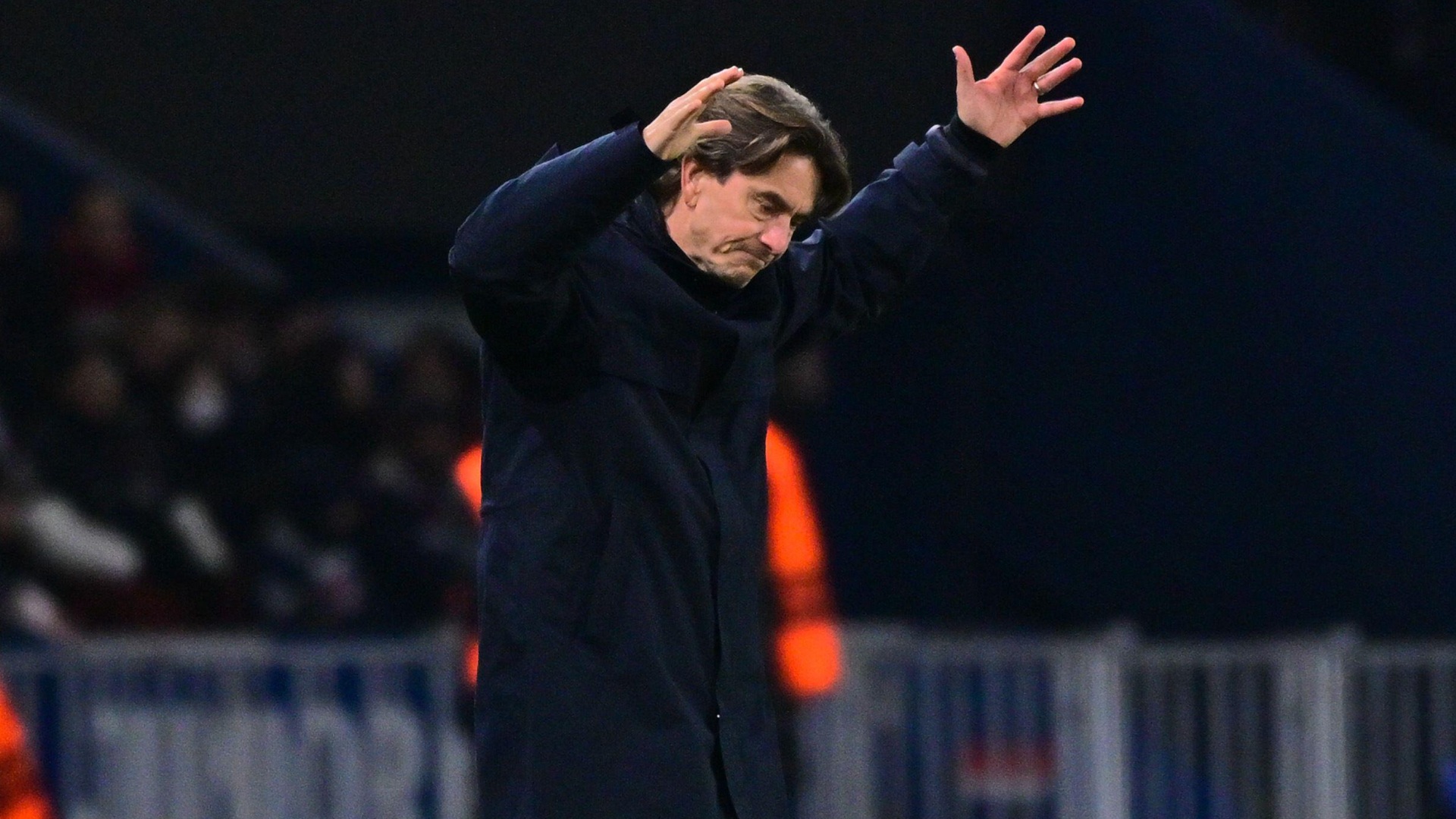
The views and opinions expressed in this article are those of the author and do not necessarily reflect the official editorial policy or position of LiveScore.
The decision, when it came, felt less like a shock and more like an acknowledgement. Tottenham Hotspur have sacked Thomas Frank, bringing to a close a reign that began with quiet optimism and ended in audible dissent.
The home defeat to Newcastle United accompanied by boos, chants and a brittle atmosphere proved the final punctuation mark. Spurs, once discussed as tentative top-four challengers early in the campaign, now sit entrenched in the bottom half of the Premier League table, uncomfortably closer to the relegation conversation than to Europe.
Frank insisted publicly that he would “fix this situation”. Internally, patience had already thinned. Two league wins in 17 matches is not a slump; it is a trajectory. Tottenham acted before mathematics replaced anxiety with certainty.
And yet, in many ways, this story does not begin with Frank.
The Postecoglou Shadow
To understand why Frank’s dismissal felt inevitable, one must revisit the turbulence of Ange Postecoglou.
Postecoglou’s Tottenham were extreme by design. The defensive line hovered near the halfway stripe. Full-backs inverted aggressively. The press suffocated or self-destructed. They scored freely and conceded recklessly. In Europe, that volatility found glory: a Europa League triumph that ended a 17-year trophy drought and briefly restored Tottenham’s sense of narrative.
Domestically, it was another matter. The league form collapsed into a 17th-place finish. Structure dissolved under pressure. The board chose reset over romance.
Frank arrived as the corrective. Where Postecoglou had embodied chaos and conviction, Frank promised balance and discipline. The hope was that Spurs could retain ambition while shedding naivety.
Instead, they lost identity altogether. His career continued to spiral out of control after an ill-fated spell at Nottingham Forest, and Spurs moved for Frank - stable, reliable and experienced in the Premier League with Brentford.
A Reign Defined by Restraint
Frank’s Tottenham were not disastrous. They were muted. He favoured a 4-3-3 that compressed into a 4-5-1 out of possession. The defensive line retreated 10 yards deeper than under Postecoglou. Full-backs overlapped selectively. Midfielders dropped into structured build-up rather than improvisational movement.
The aim was control. The result was inertia.
Spurs’ progressive passes declined significantly compared to the height of Ange-ball. High turnovers dropped. Expected goals from open play drifted into mid-table mediocrity. They conceded slightly fewer chaotic transitions, but they also created fewer destabilising moments of their own.
The numbers reflected the eye test: Tottenham averaged barely over a goal per game across the final stretch of Frank’s tenure. They were neither defensively elite nor offensively vibrant. They hovered.
Hovering, in the Premier League, is a dangerous habit. It’s a dog-eat-dog world where bad results seem contagious. Matches against anyone under the top 10 feel like six-pointers, and Tottenham were failing to get any momentum.
The Tactical Stalemate
Frank’s blueprint relied on patient construction. Centre-backs split wide. A double pivot dropped into first phase build-up. Wingers received diagonal switches before early crosses were delivered into the box. It was tidy. It was readable.
Opponents adjusted quickly. Presses were triggered centrally, forcing Spurs wide. Without explosive one-v-one dominance or relentless midfield runners attacking second balls, attacks dissolved into recycled possession.
Out of possession, the mid-block reduced catastrophic exposure but invited pressure. Spurs did not suffocate opponents high; nor did they form an impenetrable low block. They existed in between, compact but not oppressive.
Psychology compounded the issue. When conceding first, confidence drained visibly. Points slipped from winning positions. The Tottenham Hotspur Stadium, once buoyed by Postecoglou’s fearless energy, tightened.
By winter, the emotional contract between manager and supporters had fractured. Even his captain Cristian Romero looked dejected and often helpless.
Have Spurs Improved Since Ange?
It depends on the metric.
Defensively, marginally. The extreme vulnerability of Postecoglou’s final months softened under Frank. The high-wire act was replaced by moderation.
Offensively, unequivocally not. Spurs lost the reckless incision that once overwhelmed sides. Creativity narrowed. Tempo slowed.
Under Postecoglou, Tottenham were flawed but alive. Under Frank, they were safer but subdued. For a club whose self-image is built around daring, safety felt sterile.
Frank’s tenure will not be remembered as a chaotic failure. It will be remembered as a period where ambition dulled.
Why Spurs Fell to the Bottom Half
The league table rarely lies after 20-plus matches. Tottenham’s slide stemmed from four intersecting failures.
First, identity erosion. Spurs ceased to impose themselves on games. They reacted rather than dictated.
Second, attacking inefficiency. Without a reliable 20-goal focal point and with diminished vertical threat, chance creation thinned. Their expected goals tally ranked in the league’s lower middle bracket.
Third, fragility under adversity. Conceding first often triggered tactical retreat rather than response. The squad appeared cautious, perhaps mirroring the manager’s conservatism.
Fourth, atmosphere. Home support shifted from encouragement to scrutiny. Players felt the tension; passes became heavier, risks rarer.
Frank’s dismissal was less about one defeat and more about accumulated drift. Injuries played their part too. A very small squad, getting battle-fatigued every week. But the truth is, injuries tend to pile in when morale is low. There’s something about taking your foot off the gas, throwing in the towel easier when you’re down.
The Crossroads Again
Tottenham now confront a familiar existential question. Stability or statement? Containment or conviction?
The Frank experiment represented pragmatism. Its failure leaves the board exposed to a decision that will define the next era. Three candidates dominate early discourse.
Julian Nagelsmann: Precision and Modernity
Julian Nagelsmann offers progressive structure. His tactical flexibility, oscillating between back threes and fours, aggressive pressing and controlled possession, could recalibrate Spurs without muting ambition.
Nagelsmann’s strength lies in marrying youth development with analytical clarity. Tottenham’s athletic squad would suit his demands for vertical pressing and positional intelligence. He represents evolution rather than revolution.
But he is also exacting. Alignment with recruitment and hierarchy would be non-negotiable.
Graham Potter: Patience and Positional Play
Graham Potter embodies composure. His Brighton sides manipulated space elegantly, often dominating superior opponents through structure and subtlety. His reigns at Chelsea and West Ham United were nothing short of disastrous, but he seems to be trusted with big jobs and teams - will Spurs grand him time and patience? Recent history says no.
Potter’s Chelsea experience complicates perception, yet his foundational principles remain respected. At Tottenham, he could reintroduce controlled creativity, if granted time.
The question is whether Tottenham’s ecosystem can afford patience once more.
Roberto De Zerbi: The Conviction Appointment
If Spurs seek not recalibration but emotional reawakening, Roberto De Zerbi is the most compelling choice.
Recently departed from Olympique de Marseille following a turbulent campaign that concluded with a 5-0 defeat to Paris Saint-Germain, De Zerbi is available and philosophically distinct.
His Marseille tenure oscillated between brilliance and volatility. They built from the back regardless of pressure, baiting opposition presses before cutting vertically through defensive lines. At their peak, they ranked among Ligue 1’s most progressive sides for final-third entries and possession sequences ending in shots.
But risk was embedded structurally. When execution faltered, punishment was severe.
His Premier League résumé with Brighton & Hove Albion remains the most persuasive evidence. In 2022-23, Brighton finished sixth and qualified for Europe for the first time in their history. They defeated Manchester United, Chelsea and Arsenal through fearless build-up and relentless verticality, averaging over 1.7 goals per game.
Brighton under De Zerbi were emotionally electric. They invited pressure and dismantled it.
For Tottenham, currently subdued and risk-averse, that bravery may be transformative.
De Zerbi would restore high-possession dominance and vertical aggression. He would demand technical courage from defenders and midfielders alike. There would be defensive vulnerability, but also identity.
Critically, he develops players. At Brighton, individuals elevated their performance levels within his demanding framework. Tottenham’s young core could flourish under similar clarity.
The gamble is philosophical alignment. De Zerbi’s intensity requires unity between manager and hierarchy. But if Spurs crave clarity over compromise, he offers it. He’s unapologetic, stylish and good at handling the British media - something crucial in this modern era of football.
The Identity Question
Frank’s dismissal is not merely a managerial change. It is an admission that caution did not cure Tottenham’s instability.
The club once prided itself on daring, on playing football that stirred emotion even when it faltered. Postecoglou amplified that daring to excess. Frank suppressed it to sterility.
The next appointment must find equilibrium between the two.
Tottenham remain too talented to fear the bottom three, yet too inconsistent to assume upward mobility. This is a moment of definition. Another pragmatic hire risks repetition. A bold one risks volatility.
But volatility, in Spurs’ recent history, has at least carried belief.
As north London recalibrates once more, the choice before the board is stark: pursue safety again, or rediscover conviction.
For a club that has spent a decade searching for itself, the answer will shape more than the remainder of this season. It will shape who Tottenham Hotspur believe they are.
This season will be a write off for Spurs, and the Europa League trophy already feels like a distant memory. Trophies are important, but building a solid base is fundamental. It felt like that glory came too soon for this side, which is stuck in another transition, even if it was long over due it seemed to have come at the wrong time.