The views and opinions expressed in this article are those of the author and do not necessarily reflect the official editorial policy or position of LiveScore.
Tottenham Hotspur are in survival mode. Proper survival mode. Not the polite Premier League version where clubs talk about “resetting the project” or “trusting the process.” This is the ugly kind, the street-fight version, where the only thing that matters is getting points on the board and dragging yourself away from the bottom three.
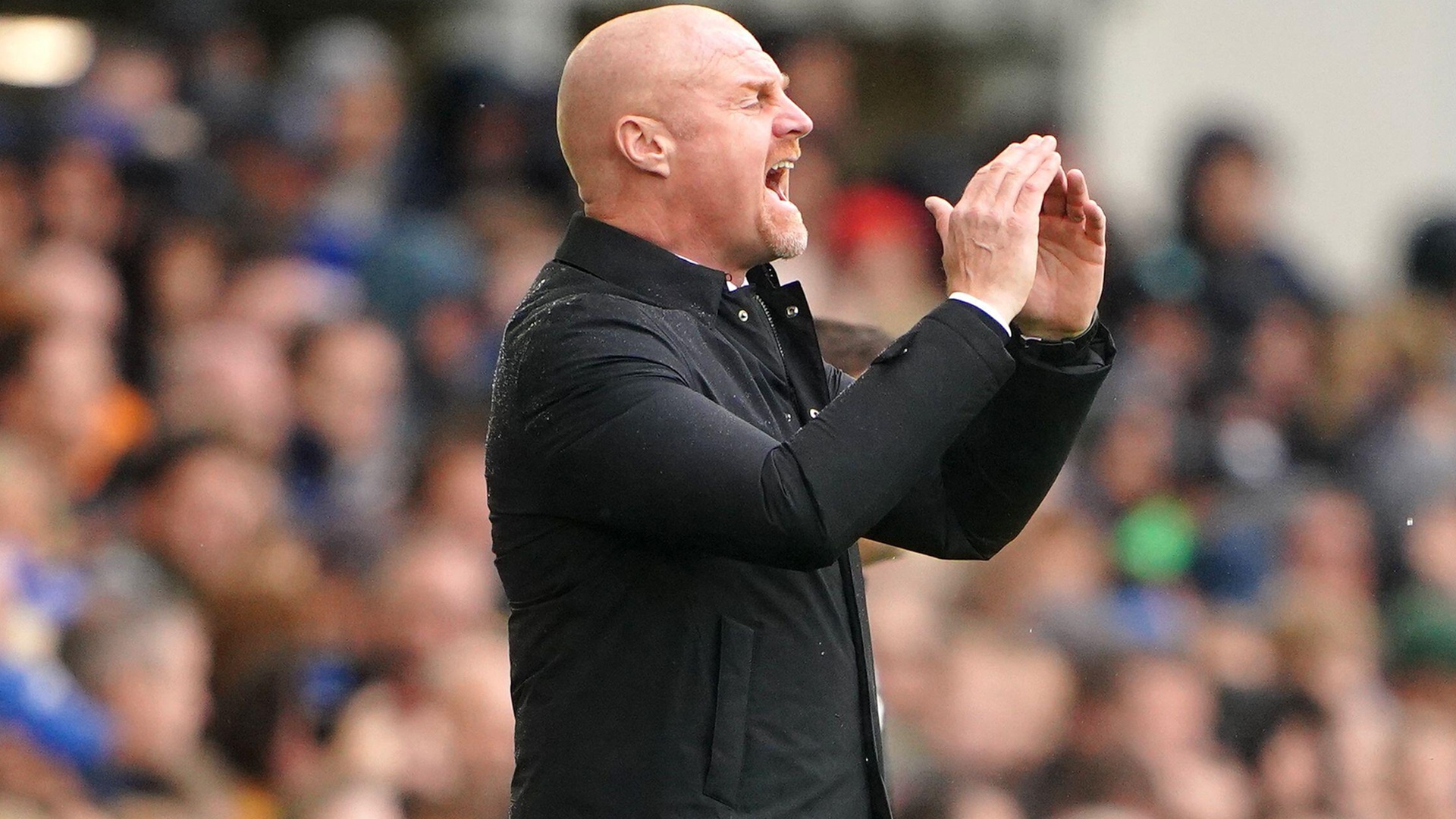
When a club reaches that moment, aesthetics become irrelevant. Possession stats don’t matter. Tactical philosophy doesn’t matter. The only currency is survival. And if survival is the mission, Tottenham should be picking up the phone to Sean Dyche right now.
Few managers in the modern Premier League understand the mathematics of survival quite like him.
The Premier League’s Ultimate Survivor
Across his Premier League career Dyche has managed 258 matches, recording 72 wins and 68 draws. That means 140 games without defeat in the toughest league in the world. That equates to a win rate of roughly 28%, achieved largely with one of the league’s lowest-budget squads at Burnley.
Those numbers become even more impressive when you consider the context. Dyche spent the majority of that time managing Burnley, a club that regularly operated with one of the smallest budgets and lowest wage bills in the division.
Despite that financial disadvantage, Dyche kept Burnley in the Premier League for five consecutive seasons between 2016 and 2021. That alone tells you everything about his skillset.
The job description was simple every year: survive and thats exactly what his teams consistently did, five straight times.
Doing More With Less
The most remarkable part of Dyche’s Burnley era is how efficiently his teams squeezed results out of limited attacking output.
Across multiple Premier League seasons under Dyche, Burnley averaged around one goal per match. For many clubs that would be relegation form.
But Burnley were not the norm. Burnley belong in the same bracket of Stoke City under Tony Pulis, a team designed to disrupt, a headstrong team ready for battle.
Dyche built a team that understood margins. Tight games. Set pieces. Defensive organisation. Aerial duels. Discipline.
It worked.
In 2017-18, Burnley finished 7th in the Premier League with 54 points, qualifying for the Europa League. It was their highest finish in over half a century. A club with one of the lowest budgets in the division finished above several financially stronger teams simply because they were organised, ruthless and extremely difficult to break down.
Defence First, Always
Dyche’s philosophy is simple: if you are hard to beat, you always have a chance. During his Premier League years Burnley regularly ranked among the top teams for defensive actions such as clearances, blocks and aerial duels won.
At one point Dyche’s Burnley recorded 72 clean sheets across his managerial spell, an extraordinary figure for a club constantly tipped for relegation.
And even when Burnley were under pressure, they rarely collapsed. Dyche’s teams understood structure. Two banks of four. Compact shape. Clear responsibilities. Football stripped back to its survival basics.
The Reality Tottenham Must Face
Tottenham have spent years chasing identity. They have chased progressive football, attacking systems, tactical revolutions. They have searched for the next great project manager who will elevate the club into something more beautiful.
But beauty doesn’t keep you in the Premier League. Points do.
And when the table starts looking uncomfortable, the smartest clubs recognise the moment and change course. Dyche represents that course correction. Not glamorous. Not fashionable. But brutally effective.
Everton Proof
If anyone doubts Dyche’s ability to stabilise chaos, look at what happened when he took over at Everton F.C. When Dyche arrived, Everton were 19th in the Premier League. The atmosphere around the club was toxic, the confidence is shattered.
Within months, Everton were organised, disciplined and competitive again. They survived. That is Dyche’s superpower. He restores order in broken dressing rooms.
Survival Football
Tottenham don’t need a stylist right now. They need a manager who understands ugly wins. They need someone comfortable with 35% possession and a 1-0 scoreline. Someone who sees nothing wrong with defending a lead for 60 minutes if that’s what it takes.
Dyche’s teams know how to do that. They know how to slow games down, win second balls, dominate aerial duels and turn set pieces into weapons. In relegation battles those small details decide everything.
The Street Football Reality
The truth Tottenham supporters may not want to hear is that survival football often looks ugly. But it works. Clearances instead of build-up play. Set pieces instead of intricate combinations. Battles instead of beauty.
In the street version of football, the version played in muddy parks and tight spaces, nobody cares how the win comes. They care about the result. That is Dyche’s world and if Tottenham really are in survival mode, it might be exactly the world they need to enter.