


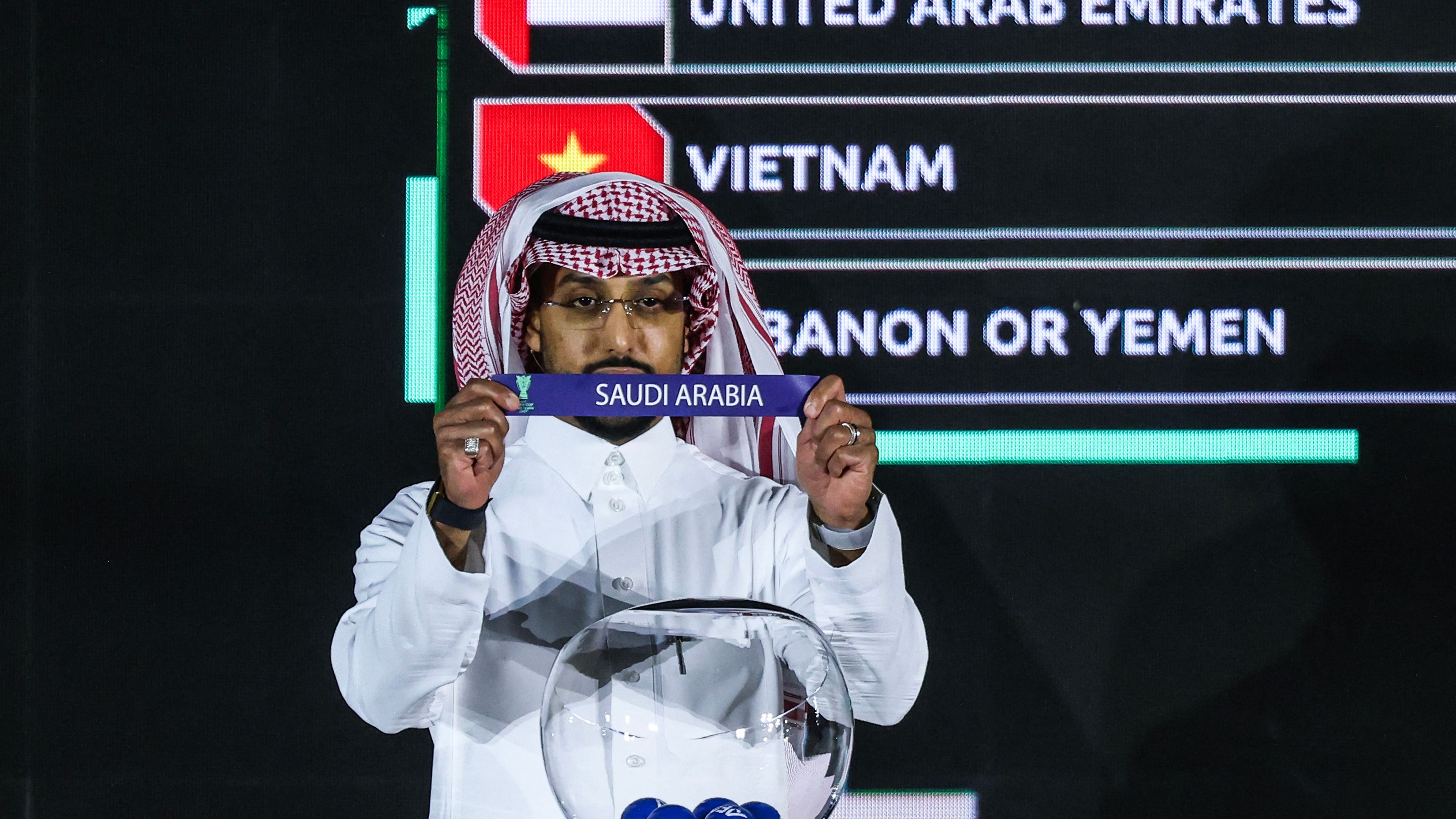

Asian Cup postponed! Saudi Arabia tournament pushed back to late 2027 amid regional security crisis
The Asian Football Confederation (AFC) has officially confirmed the postponement of the 2027 Asian Cup due to escalating security concerns within the region. Originally set for a January 2027 kickoff in Saudi Arabia, the flagship tournament will now be pushed back by nearly a year to ensure the safety of all involved.
Security fears force Asian Cup delay
The tournament was initially scheduled to run from January 7 to February 5, 2027. However, an escalating conflict involving Houthi rebels and a Saudi-led coalition has severely compromised safety in the host nation.
Riyadh's King Khalid International Airport recently endured at least 20 drone and missile strikes over an 11-day period, tragically resulting in 17 deaths and leaving more than 300 injured. Consequently, the competition will now take place from December 23, 2027, to January 21, 2028.
AFC outlines 'exceptional circumstances'
In a press release issued on Tuesday, the governing body detailed the logistical nightmare caused by the ongoing violence.
"The Organising Committee for AFC Asian Cup approved to reschedule the flagship national team tournament in light of the current exceptional circumstances arising from developments in the region, including substantial logistical complexities and travel disruptions," the statement read. "The new dates of the tournament will be presented to FIFA for approval."
The AFC further stressed that safety must come first: "Exceptional circumstances have been created for the organisation and delivery of the Competition as originally scheduled, making the postponement necessary in the interest of all participating teams, officials, spectators and other stakeholders."
Football operations face severe disruption
The postponement marks a rapid shift in policy. Just last month, AFC president Sheikh Salman insisted preparations were proceeding as planned. However, the deteriorating situation has already disrupted club football. Last week, Emirati side Al-Wasl refused to travel to Riyadh for an AFC Champions League Elite tie. Meanwhile, Cristiano Ronaldo was notably absent from Al-Nassr's recent away victory over Uzbekistan's Pakhtakor, though the club officially cited rest.
Riyadh's safety is paramount to the tournament's success. The Saudi capital boasts five of the eight designated stadiums and is slated to host 30 of the 51 matches, including the final at the King Fahd Sports City Stadium.
FIFA approval and immediate fixture challenges
The AFC must now secure formal approval from FIFA for the revised winter schedule. In the short term, national teams navigating the region must remain on high alert.
Australia have confirmed they will proceed with upcoming friendlies against Qatar and Jordan in Doha and Amman, though they are closely monitoring the volatile situation. Ultimately, Saudi Arabia will need to stabilise the region not only for a successful Asian Cup but also ahead of hosting the 2034 World Cup.


