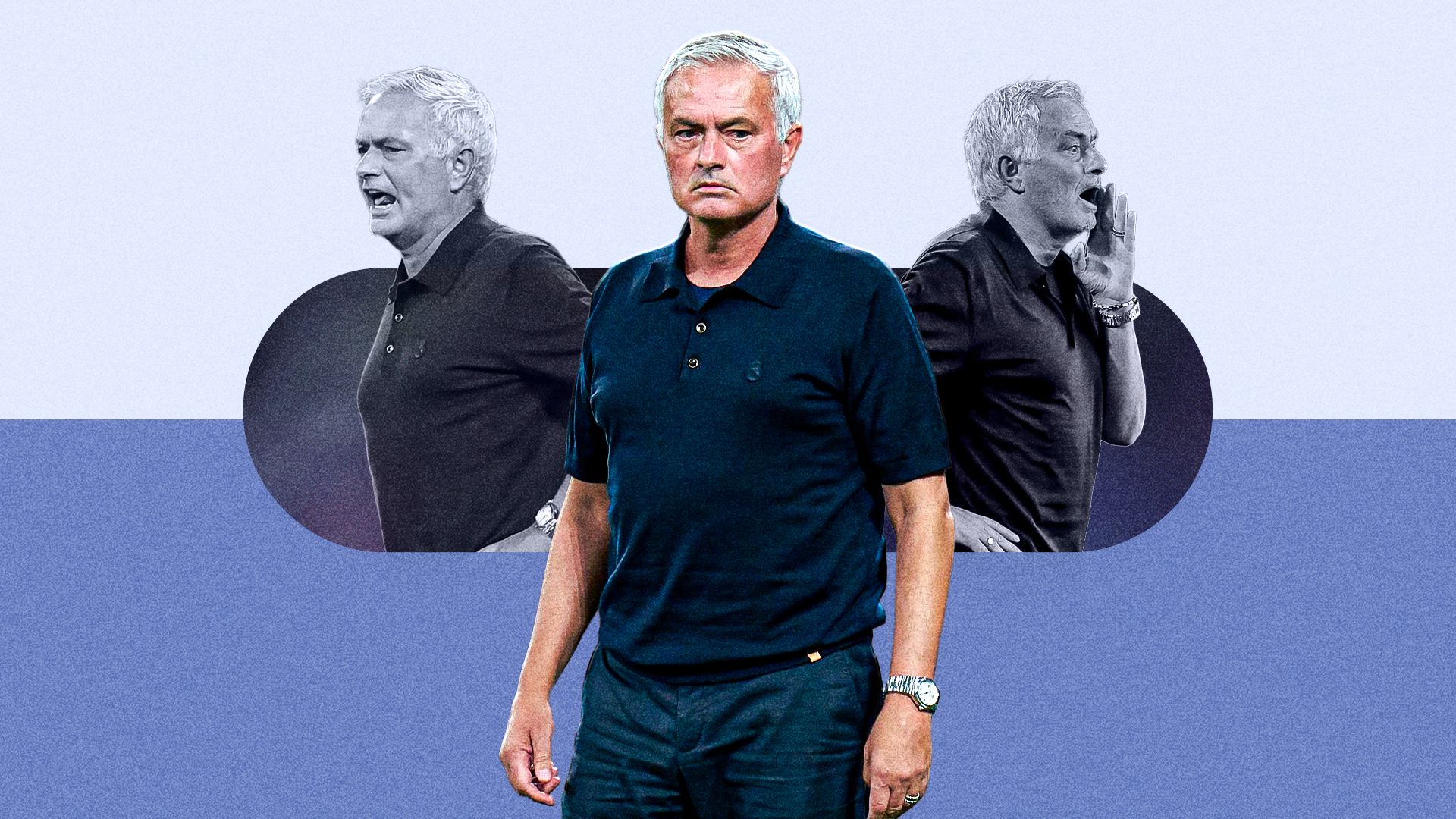

Mourinho, how could you give up the key to a Real Madrid remontada?
Real Madrid's defeat to Alaves was not just another stumble in the La Liga title race. It raised a tactical question worth pausing on: does Jose Mourinho truly understand the value of the player he has in his side, or did he treat Arda Guler as someone who can be sacrificed as soon as more attacking power is needed in the box?
With Kylian Mbappe, Jude Bellingham and Vinicius Junior in the side, putting anyone else at the top of Real Madrid's list of priorities feels unusual. Yet Guler gives Madrid something those stars can't provide in quite the same way.
He sets the tempo of the attack, links the lines and hunts for the pass that turns possession into a genuine chance. So taking him off against Alaves, in a game crying out for someone to find solutions, raises serious questions about Mourinho's thinking.
49 chances created: the numbers that put Guler in a different bracket
This isn't a fleeting impression or an overhyped view of the Turkish playmaker's talent. The numbers back him up. Guler has created 49 chances in La Liga this season, more than anyone else, even though he doesn't necessarily play every minute available to him.
More telling still, he created four chances against Alaves in just 59 minutes. He also registered four key passes and completed five successful dribbles.
Those aren't the numbers of a player who vanished from the game or couldn't cope with the opposition defence. Guler was still making the difference against a side that had shut down the space in front of Real Madrid. He was doing exactly the job they needed most: creating chances and finding passing lanes through a packed defence.
Mourinho explained his decision, but was taking off the playmaker the answer?
Mourinho didn't leave his decision unexplained. After the match, he said Alaves had defended with five at the back and three in front of them, and that Real Madrid had the ball but couldn't find enough space and lacked presence in the box.
The Portuguese coach said he felt Carlos Espi could be the solution, and that he had two options for the substitution: Guler or Vinicius. He added that Guler had been doing a job similar to what Bernardo Silva provides, and that the team were winning the ball back easily.
That explanation reveals how Mourinho thinks. It doesn't end the debate, though. If anything, it sharpens it.
By the coach's own description, the problem was first and foremost one of creating space and breaking down a compact defensive block, not simply a shortage of bodies in the box.
That's precisely where Guler's value shows. When the opposition sit this deep, adding another striker and waiting for a cross or a second ball isn't always the answer. You need a player who can thread the ball between the lines, switch the play and drag defenders out of position. An extra striker may put more players in the box, but it doesn't guarantee the ball will reach them in the first place.
Why shouldn't Guler be the last to leave the pitch?
Mourinho could have thought about keeping Guler on while adding attacking presence, rather than sacrificing his most important creative tool.
Keeping the Turkish playmaker on could even have given Real Madrid a wider range of solutions, especially with players around him who need someone to feed them the ball in the right areas.
The stars' value and their roles are two different things. Mbappe is the side's leading goalscoring weapon. Bellingham can drive forward and arrive in the box, while Vinicius makes the difference with his dribbling and pace.
Guler, though, gives those weapons much of their collective value. He connects them and turns their movement into chances that can be taken.
Moving Vinicius to the right, with the possibility of keeping Guler on that side, is also worth discussing.
With Guler on the right, the team have a player capable of creating with his left foot, while Vinicius keeps his favoured space on the left, where he can burst forward, take players on and cut inside.
An important question
Blaming Guler's substitution alone for the defeat would be unfair. Real Madrid had been a goal down since the 22nd minute and conceded a second in the 61st, straight after he went off, before Mbappe pulled one back in the 69th. Madrid also made defensive errors, missed chances and then lost Bellingham to a red card in the closing minutes.
None of that cancels out the central question, though: did it make sense to give up the team's most prolific chance creator while they were still searching for a way back?
Mourinho may have wanted more bodies in the box. But football doesn't always reward the side that puts the most strikers in front of goal. It rewards the side that can get the ball to them.
That's what makes Guler untouchable in this Real Madrid side. He performs a role the star names in their attack can't carry out in the same way.
If Real Madrid want to rediscover their ability to create chances, Guler shouldn't be among the first names Mourinho thinks about sacrificing.
The opposite may well be true. In games where the opposition shut down the space, the Turkish player becomes one of the last Mourinho should think about taking off. Mbappe may finish the move, Vinicius may open it up with his dribbling and Bellingham may arrive at the end of it, but Guler is the one who can start it with the pass everyone needs.