
"CAF are everyone's laughing stock": AFCON final ruling sets world press alight as Morocco are left with "bitterness"
The Court of Arbitration for Sport's (CAS) decision to uphold Senegal's 2025 Africa Cup of Nations triumph at Morocco's expense has sparked a wave of reaction in the world press. The ruling, issued unanimously by the court's panel, has brought down the curtain on one of the most controversial cases in modern African football history.
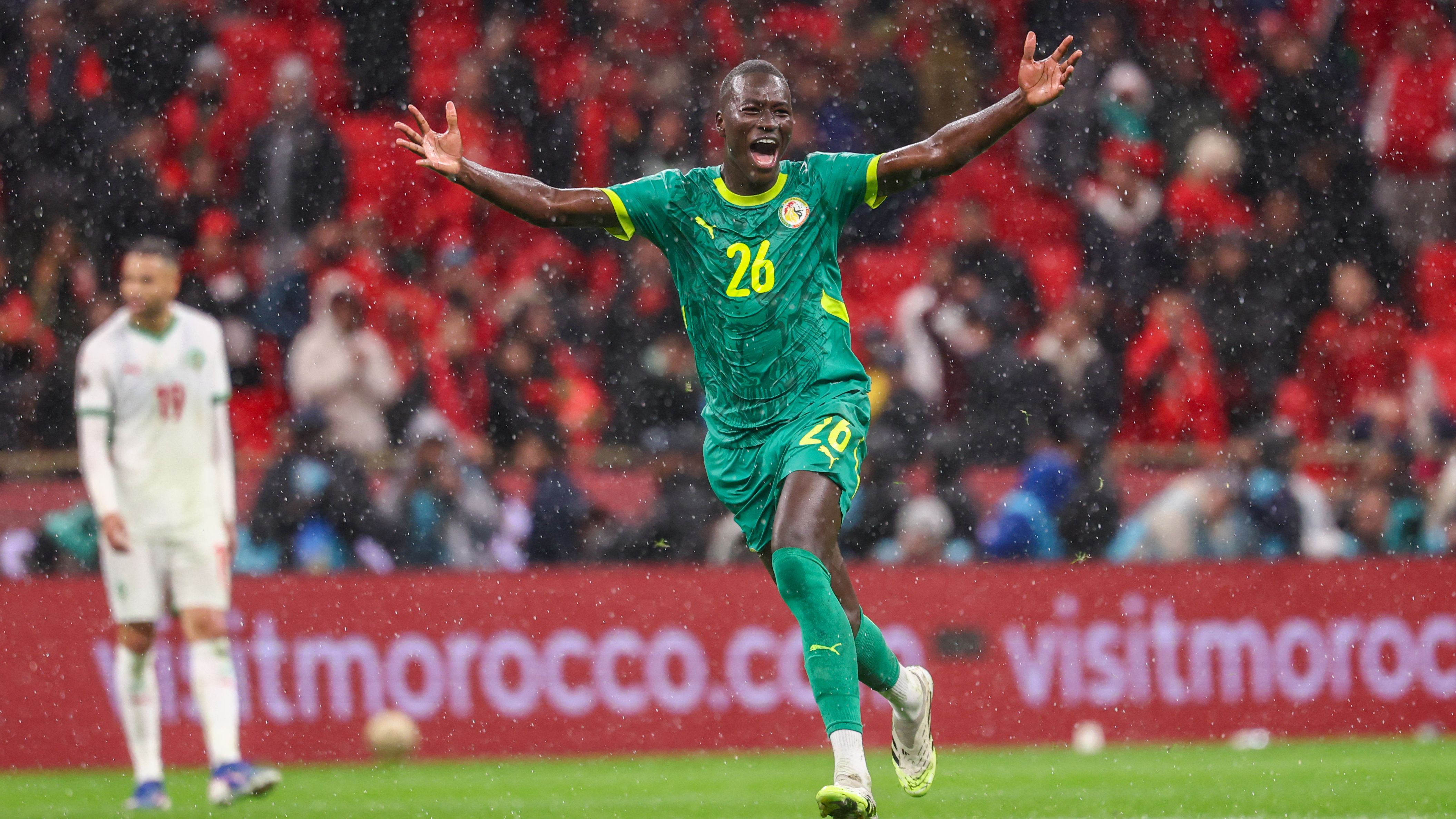
The court delivered its final ruling in favour of the Senegalese Football Federation on Tuesday, handing the Lions of Teranga back the title they won on the pitch. The Confederation of African Football (CAF) appeals board had stripped them of the trophy in March and declared Morocco the winners of the final by administrative decision.
The verdict quickly made headlines around the world. Moroccan and Senegalese outlets covered it very differently, while CAF's handling of the crisis drew international criticism, according to a report by French outlet RMC.
Moroccan press: bitterness as the case closes
Moroccan newspaper "Le Matin" described the ruling as the end of "one of the most controversial cases in the recent history of continental football". But it noted that the verdict had left a bitter taste among Moroccan supporters, whose hopes that the sports court would uphold the decision of CAF's disciplinary committee had grown in recent months.
Moroccan outlet "360 Sport", meanwhile, tried to soften the blow, insisting the decision "changes nothing in the path of Moroccan football". The Atlas Lions' ambitions, it added, cannot be reduced to a ruling handed down from offices in the Swiss city of Lausanne.
Senegalese press recall the joy of the title
In Senegal, the tone was different, though the coverage stopped short of excessive celebration.
"Le Soleil" turned to lines by the French poet Alphonse de Lamartine: "O time, halt your journey, and you, happy hours, halt your course". The verse speaks to man's inability to hold on to happy moments as time carries them away.
The paper felt the lines carried special meaning after everything Senegalese football had lived through in recent months. The final in Rabat on 18 January 2026, it stressed, had gone beyond sporting competition and become part of the Senegalese people's collective memory.
It added: "A result can be contested, a decision debated and a dispute dragged out, but the true happiness experienced by an entire people cannot be taken away."
European press follow the fallout from the ruling
The verdict echoed across Europe too. In Spain, AS focused on the violence involving Senegalese supporters at the end of the final.
Marca, meanwhile, headlined its report: "CAS hand the Africa Cup back to Senegal and Morocco are ablaze". The decision had provoked an angry reaction in Morocco, the paper explained, where many had strongly expected a ruling in their favour.
In England, the Daily Mail called it a bombshell ruling that handed the title back to Senegal, even though their players had walked off the pitch during a final marked by chaotic scenes.
Germany's Bild went with the same description, noting that the case had become a complex crisis lasting 10 months.
Italy's La Gazzetta dello Sport focused on the case's successive twists, writing: "A new twist: the title returns to Senegal". It argued that the Lausanne court's ruling had once again changed the course of a dispute running since 18 January 2026. The controversy won't end, it noted, but the 2025 Africa Cup of Nations case has reached its final stop.
Fierce accusations against CAF officials: the biggest losers have become everyone's laughing stock
It wasn't just the newspapers. American show "CBS Sports Golazo" discussed the case during its Champions League coverage, with former Sierra Leone international Michael Lahoud weighing in.
Lahoud tore into CAF officials, arguing they had lost the most from the crisis. "I think the biggest losers in this story are the CAF officials, because today they have become everyone's laughing stock," he said.
He added: "They already looked ridiculous when they made their first decision, and now they have been forced to back down and correct their mistake."
He also warned of the consequences had the decision to award the title in that way been upheld. "If we allow Morocco to act in this way, and accept a title being awarded like this, it means football matches and tournaments could be decided in the courts rather than on the pitch," he explained.
Morocco hint at a new legal step
The Court of Arbitration for Sport overturned the decision of CAF's appeals board, issued on 17 March, which had stripped Senegal of the title and awarded it to Morocco. It found that the referee had made no legal error when deciding to resume play after the events of the final.
Even so, the case isn't entirely closed from a legal standpoint. The Royal Moroccan Football Federation have announced they intend to take "all the necessary legal measures to appeal" against the sports court's decision.
The ruling that returned the title to Senegal has therefore sparked a fresh international row. It's no longer just about who Africa's champions are, but about how the continental federation handled the crisis and what it means for the image of African football.